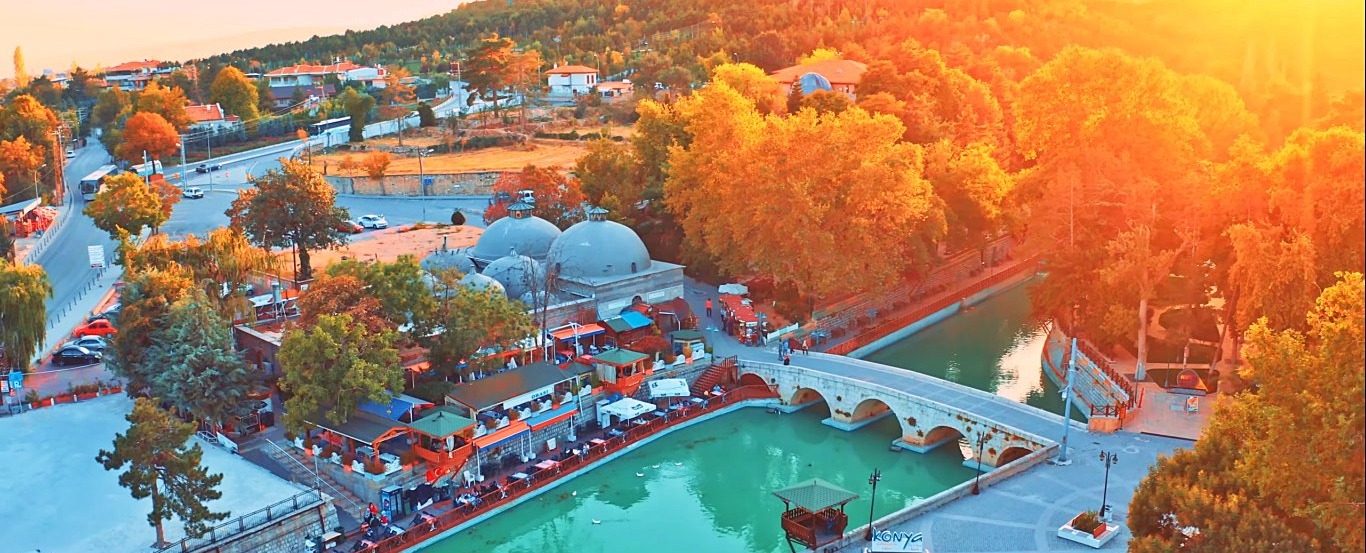
Konya, with its deep historical background, has been a cradle to many cultures and civilizations.
Konya, which was home to the first Christian residential areas and sanctuaries in the world, has an important potential in cultural tourism, too. In this context, Konya aims to become an essential centre for cultural tourism beside faith tourism.
Some important historical values such as Sille (Siyata), Aya Elena Church, Kilistra ancient city, Eflatunpınar Hittite monument, Çatalhöyük, Karahöyük, İvriz rock- cut relief, Bolat, Nekropol and Bouleterion shows the potential of Konya on behalf of cultural tourism.
The traditional handicrafts and folkloric values of Konya are also a part of cultural tourism. In Konya, various handicrafts such as making felt, carpet, wooden spoon, rifle, earthenware water rug, tile and calligraphy attract the attention of foreign tourists. Semah, folk dancing and sufi music also form primary folkloric values of Konya.
Konya bears the trace of a history that dates back to 7000 B.C. and witnessed various civilizations. It has a very rich historical heritage with its archaeological sites, historical and natural protected areas, caves and civil architecture examples. Konya, which was the capital of Seljuks, has an important tourism potential with its world-wide known characters such as Rumi and Hodja Nasrettin.
In Konya, there are 135 hotels-7 of them are five starred-with more than 14.000 total bed amounts. Moreover, there are more than 150 tourism agencies that own tourism operation license.
In Konya, there are 11 museums in total. 7 of them are in the city centre (Mevlana, Karatay Tile Museum, İnceminare, Sırçalı Madrasa, Atatürk, Ethnography and Archaeology Museums), and 4 of them are in the districts (Çatalhöyük Archaeological Site Museum, Ereğli Museum, Akşehir Western Front Base Museum and Akşehir Archaeology Museum). By 2015, 2.7 million people visited those museums.
In our city, there is also one place (Çatalhöyük Neolithic Site) in UNESCO World Heritage List and there are four places (Eşrefoğlu Mosque, Konya - Seljuks Capital, Anatolian Seljuks Madrasas and Eflatunpinar: Hittite Water Monument) in World Heritage Tentative List. In our city, there are Regional Manuscript Library and Yusufağa Manuscript Library as manuscript libraries in which national culture is preserved. Those libraries include 18.118 manuscripts and 91.621 books-73.503 of them are printed.
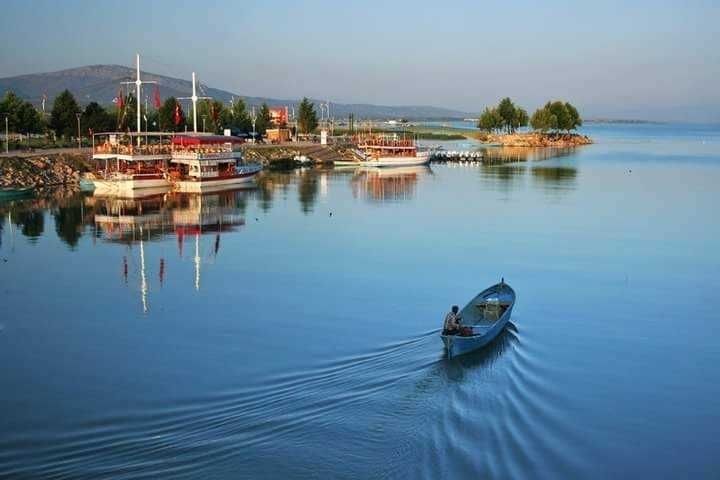
In the region; as it is stated in the Turkey's Tourism Strategy Action plan, faith tourism steps forward. By taking into consideration of the potential of our city for nature tourism, speleological tourism, health tourism, hunting tourism and convention tourism, it can be understood that how far the regional tourism can expand. In this context, detailed inventory studies are required in the region. Beyşehir, the biggest freshwater lake of Turkey, is one of the leading centres of behalf of nature tourism and hunting tourism. Beyşehir Lake, with more than 30 islands on, is expected to become an important centre for nature tourism via investments and effective advertisement in the future.
The district areas in Toros Mountains and the plateaus are extremely appropriate for mountain hiking and mountain sports. Besides, the mountainous and forestry areas are suitable for hunting tourism and in some parts of those areas there has been visits for hunting tourism by foreign tourists.
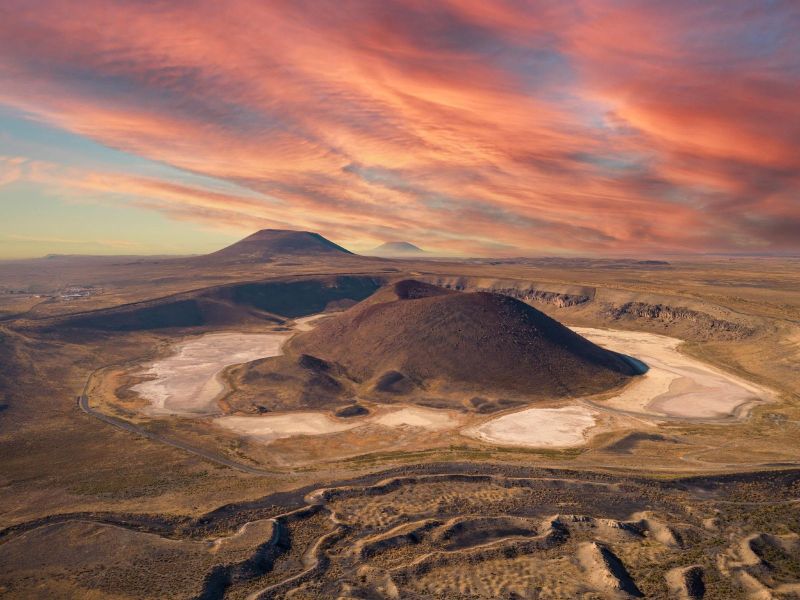
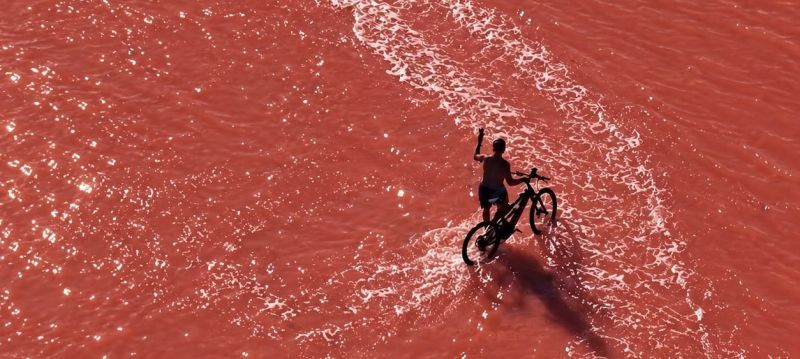
In the region there are some other natural beauties such as Balatini Cave, Körükini Cave, Suluin Cave, Sakaltutan Cave, Susuz Cave, Tınaztepe Cave, Pınarbaşı Cave, and İncesu Cave and these are important potentials for the speleological tourism here. There are important areas in the region which are suitable for bird watching that can be included in nature tourism. The inner part of Salt Lake has the biggest flamingo colonies in the world. In the region, mountain sheep in Bozdağ Mountain (in Konya) and wild horses in Karadağ Mountain (in Karaman) are under protection by environmental board in order to preserve the fauna. By constructing excursion spots, these areas can be more profitable for tourism. Turkey, which is over an important geothermal area, is among the first seven countries in the world in terms of the richness of its resources and potential. There are more than 1000 springs whose temperatures changes from 200C to 1000C. There are more than 200 thermal centres over these springs. One of these centres is in the town Ilgın, in Konya and comes forward in alternative tourism.
Traditional handicrafts and folkloric values are also a part of culture tourism. In the action plan of Turkey's Tourism Strategy 2023, it is stated that creating a strong tourism path and regional destinations will make these kinds of regions stronger in terms of culture, handicrafts, food & beverage facilities and accommodation. In this sense, the potentials in the region devoted to handicrafts such as making felt, carpet, wooden spoon, rifle, earthenware water rug, tile, handmade equipment and calligraphy should be evaluated. Semah, folk dance, Sufi music, Rumi, Yunus Emre and Hodja Nasreettin are the leading folkloric values of the region.