Konya has been a capital, a crossroads and a place of pilgrimage for centuries. You can see the main sights in one full day, but two or three days let you add the countryside and the day trips.
In the city
Mevlana Museum
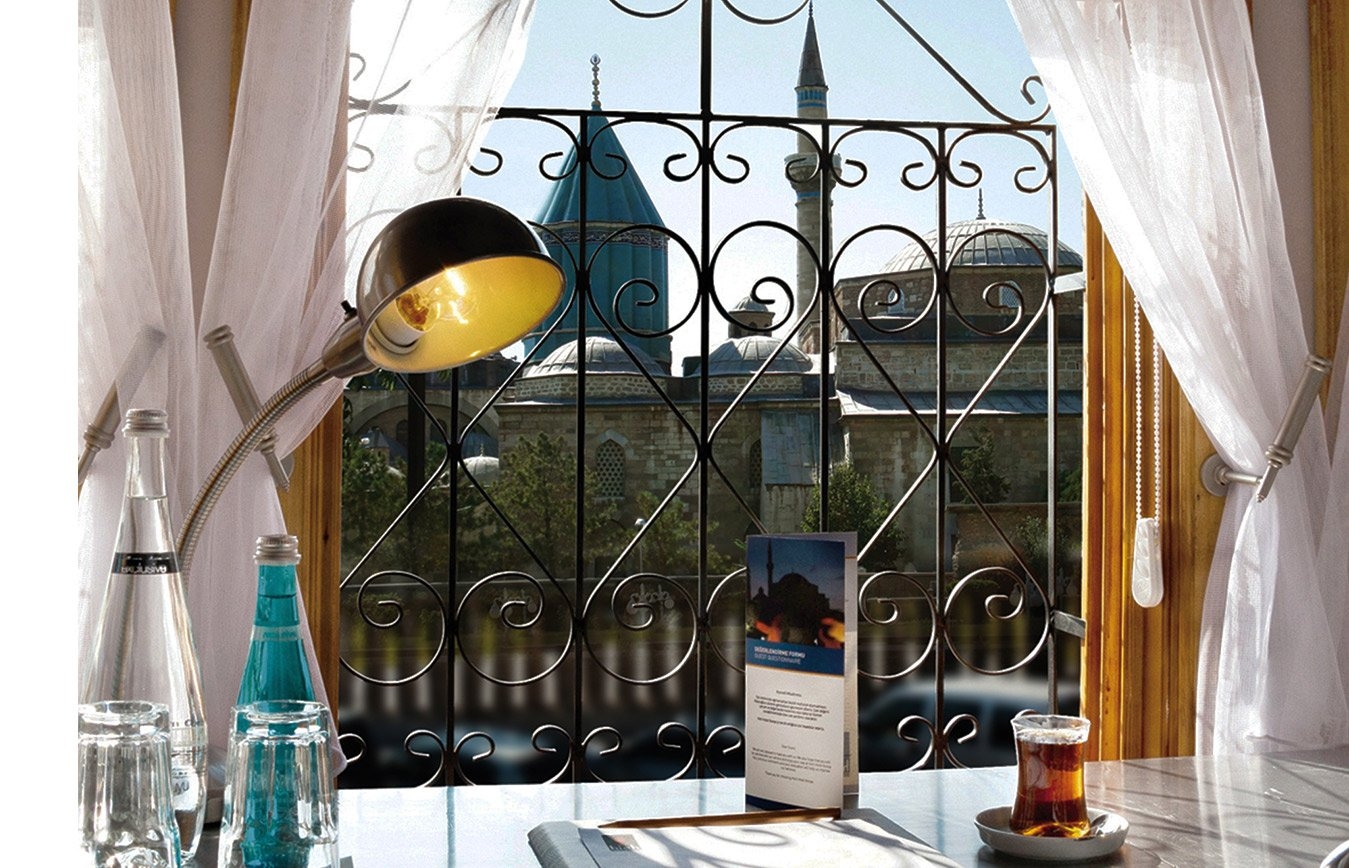
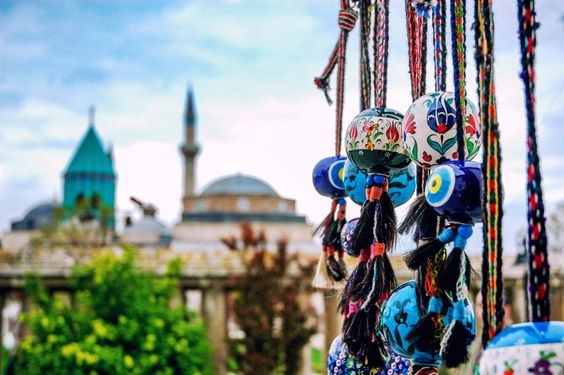
The heart of Konya. This former dervish lodge holds the tomb of Jalal ad-Din Rumi (Mevlana), who died here in 1273, under the turquoise fluted dome that is the city's emblem. Inside are the tombs of his family and followers, manuscripts, musical instruments and the clothes of the Mevlevi order. Allow one to one and a half hours, dress modestly, and expect queues at weekends and in December. Check the current opening hours and ticket arrangements before you go.
Alaaddin Hill and Alaaddin Mosque
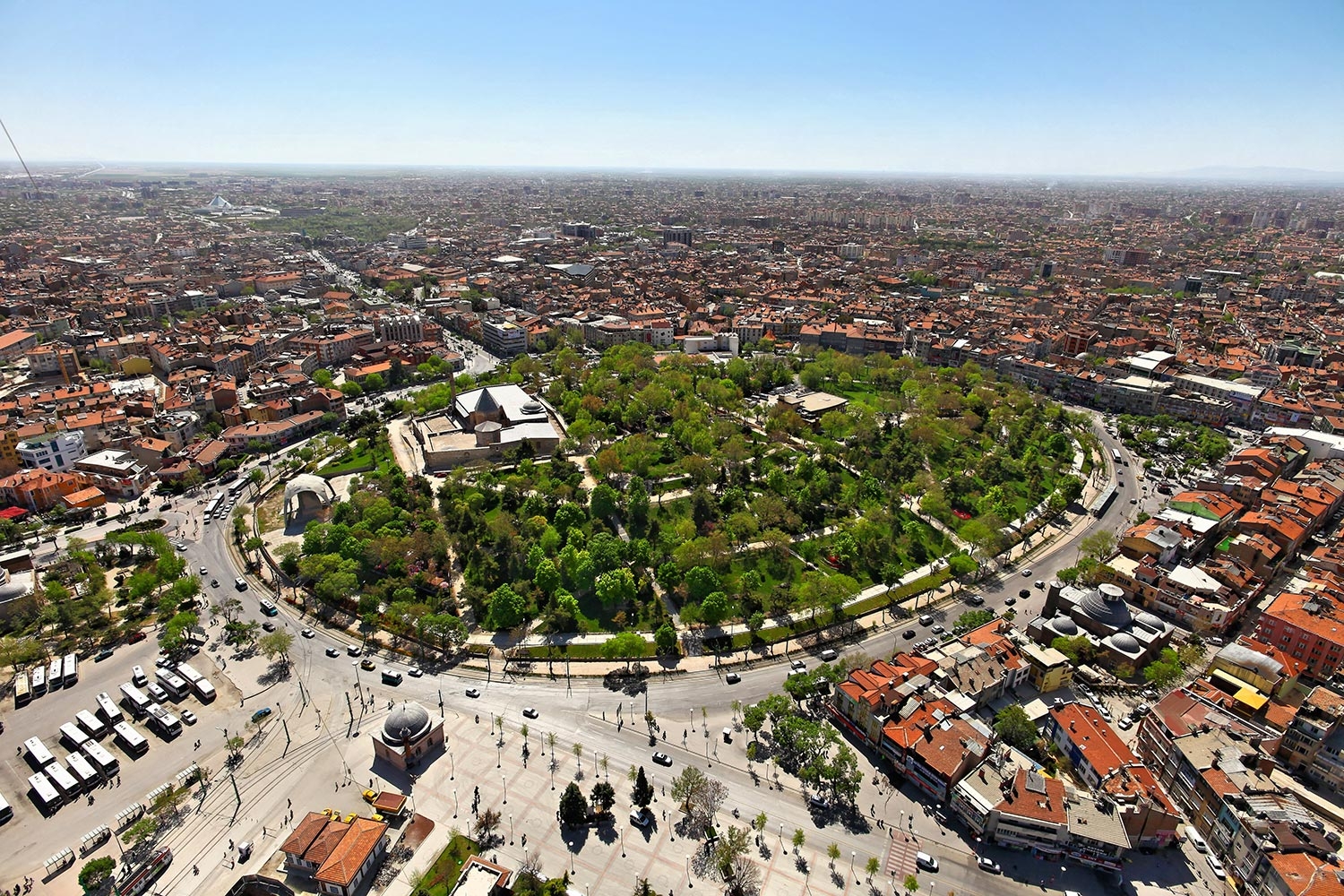
The old citadel mound at the centre of the city is topped by the Alaaddin Mosque, begun in the 12th century and completed under the Seljuk sultan Alaeddin Keykubad. Its forest of ancient columns and carved wooden pulpit are remarkable. Gardens and cafés around the hill make it a good place to rest.
Karatay Madrasa and İnce Minare
Two of Konya's finest Seljuk buildings stand close to Alaaddin Hill. The Karatay Madrasa (1251) is now a museum of tile art, with a spectacular dome covered in blue-and-turquoise tilework. The İnce Minare Madrasa, with its carved stone portal and slender minaret, houses a museum of stone and wood carving.
Sırçalı Madrasa and the museums
The Sırçalı Madrasa (1242) is known for its glazed-tile decoration. Other stops include the Koyunoğlu Museum, a local collector's cabinet of ethnography and natural history, and the Tropical Butterfly Garden, an indoor garden that is a hit with children.
Just outside the city
Sille
A village of old stone houses and rock-cut dwellings a few kilometres away, with a Byzantine church that recalls the area's Greek Orthodox past. It makes a lovely afternoon and an atmospheric dinner.
Çatalhöyük
About 50 km south-east of Konya, this is one of the world's oldest settlements, a Neolithic town of mud-brick houses occupied roughly 9,000 years ago. It was inscribed on the UNESCO World Heritage List in 2012. Bring water and a hat; the site is open and exposed.
Beyşehir and the lake
Beyşehir Lake, Türkiye's largest freshwater lake, lies about 90 km to the west, ringed by mountains. Nearby are the 13th-century Eşrefoğlu Mosque, known for its wooden columns and inscribed by UNESCO in 2023, and Eflatun Pınar, a Hittite water monument from the 13th century BCE.
Suggested routes
- One day: Mevlana Museum, Alaaddin Hill, Karatay and İnce Minare, then dinner with etli ekmek.
- Two days: add Sille and the Butterfly Garden or the Koyunoğlu Museum.
- Three days: add Çatalhöyük, or a day around Beyşehir Lake and Eflatun Pınar.
Tip: visit the Mevlana Museum early in the morning or in the evening, when the courtyard is quiet and the dome glows. In the second half of December, look for the Şeb-i Arûs Sema ceremonies.
Last updated October 2026. Opening hours, prices and events change, so please confirm before you go.