The Head of the Department of Traditional Turkish Arts at Karatay University's Faculty of Fine Arts and Design, Dr. Ayşegül Özdemir, shared important information about the integration of traditional and digital arts.
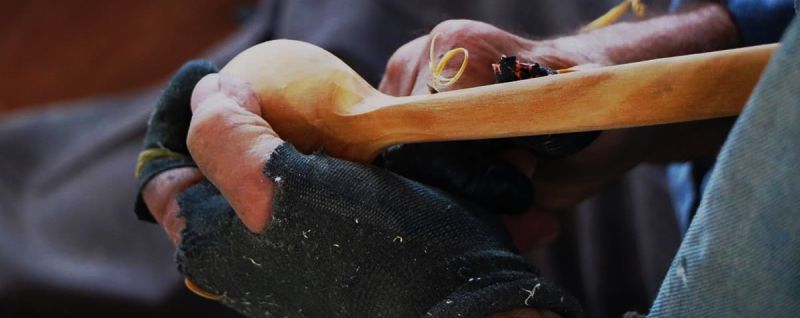
Dr. Ayşegül Özdemir stated, "Traditional Turkish arts are the general name for arts and art forms that encompass traces specific to Turkish culture. Traditional Turkish arts have been an artistic journey spanning centuries from ancient Turks to the Seljuks, from the Ottoman era to the present day. We can list various branches of traditional Turkish arts that reflect the cultural characteristics of the Turkish nation under titles such as calligraphy, illumination, weaving, carpet-kilim making, miniature, marbling, bookbinding design, tile, ceramics, and wood carving. Each of these art branches has its unique techniques and materials."
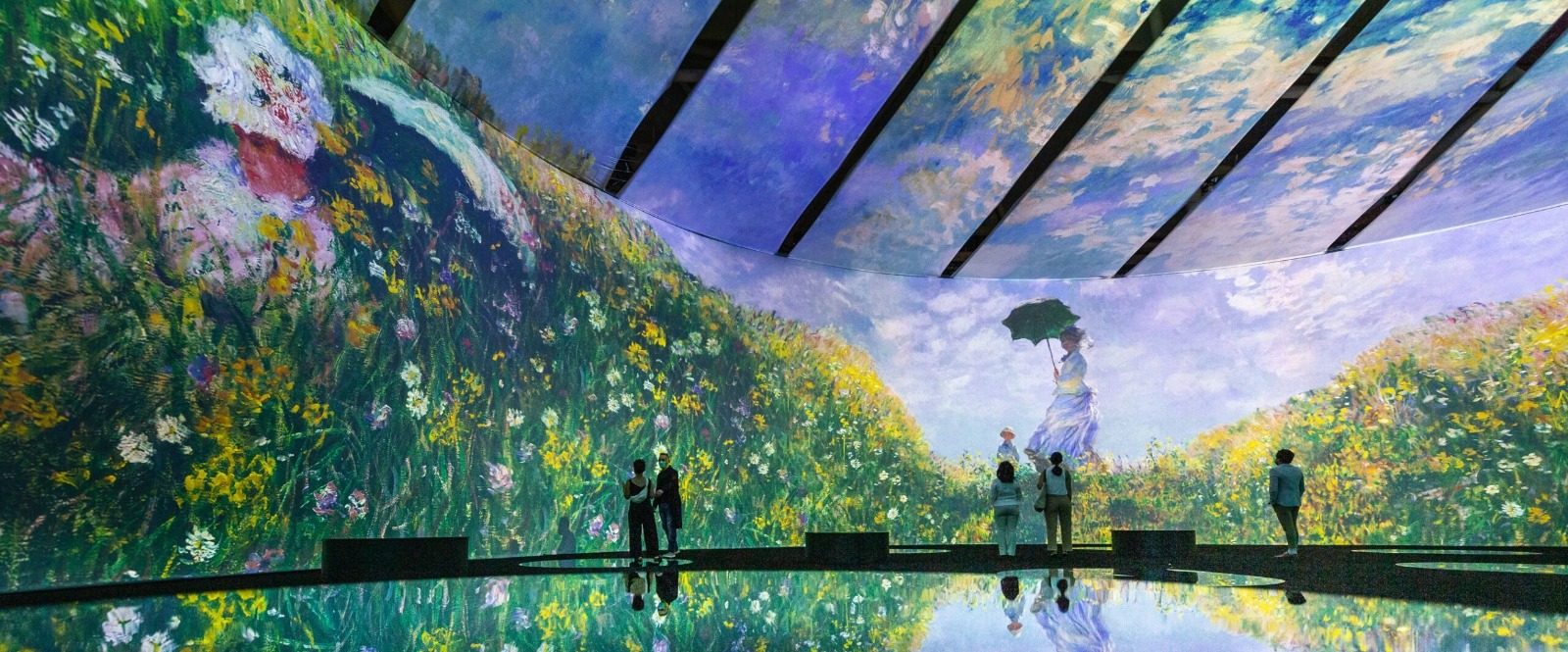
Özdemir commented, "We can enhance the designs we create manually by utilizing technology, resulting in very pleasing outcomes. Recently, at the Istanbul Digital Art Festival, the potential of digital art to bridge cultural diversities and bring people together has been emphasized. In this context, an interdisciplinary art collaboration was showcased, featuring a piece designed by Ayşe Totan Kart, an academician from the Department of Traditional Turkish Arts at KTO Karatay University's Faculty of Fine Arts and Design, combining pen work and illumination techniques. This artwork, interpreted by digital artist Hakan Yılmaz, serves as a beautiful example of adapting traditional Turkish arts while meeting the demands of our modern age."
Özdemir added, "In my design courses, I provide students with opportunities to enhance their skills using technology, allowing them to apply traditional Turkish arts without distorting their essence. Our curriculum includes a computer-aided design course where students can engage in interdisciplinary applications by utilizing technology and various design programs. Our aim in leveraging technology is to develop contemporary narratives in our designs within the new world order, without distorting traditional rules."
Özdemir stated, "In projects where traditional Turkish arts merge with digital art, the positive impact between the past and the future is undeniable. A work that combines traditional techniques with digital art applications can attract the interest of young individuals who actively use technology."