Karatay's historical habitation dates back to the prehistoric period. Architecture in Karatay is reminiscent of the Seljuk, Karamanid, and Ottoman eras.
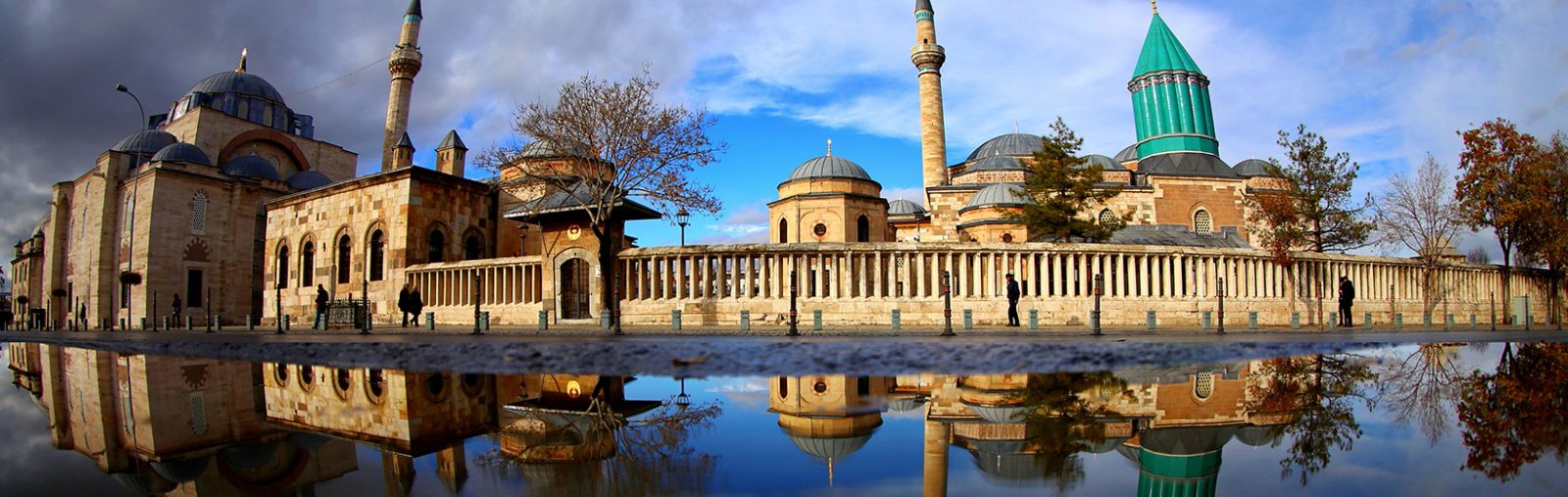
Mevlana Museum, located in Karatay, one of our national and worldwide historical, cultural, and tourism treasures, attracts around 1 million 300,000 local and foreign tourists each year. Cultural assets in the district include the Karatay Tile Works Museum, Kemaliye Madrasah, Şemsi Tebrizi Tomb, Koyunoğlu Museum, Sultan Selim Mosque, Şerafettin Mosque, Yusufağa Library, and Mevlana Cultural Center.
Although the Karatay district was established as a district after Konya became a metropolitan city, it is one of the city's oldest districts in terms of historical and social fabric.
The great mystic Mevlana Celaleddin-i Rumi, who elevated Konya to the status of a city of scholars and kept tourism alive throughout the year, gave the region a whole new personality and character.
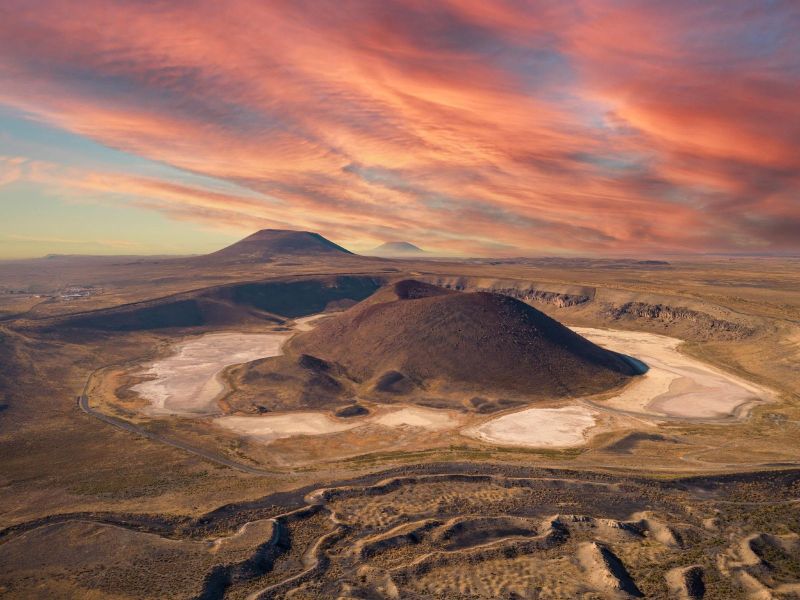
Karatay is one of the 3 central districts of Konya. It has a larger population than many provinces in our nation, with a population of 302 thousand 392 persons. The land structure of the district is generally flat and plain. Its highest point is Bozdağ on the Aksaray road. The Obruk region has a highland character and there is a small sinkhole lake near the Obruk village.