The Konya Archaeological Museum was first established in 1901 in the southwestern corner of the Karma Middle School building. In 1927, the collection was moved to the Mevlana Museum for display. Later, in 1953, it was relocated to the İplikçi Mosque. Finally, in 1962, the current museum building was founded and officially opened to the public.
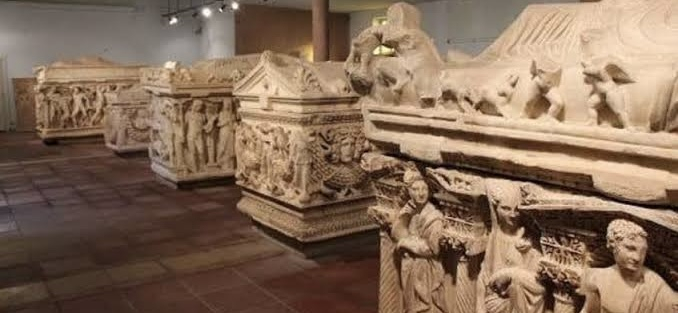
The museum houses artifacts spanning a wide range of historical periods, starting from the Neolithic Age and continuing through the Early and Middle Bronze Ages (including the Assyrian Trade Colonies period), the Iron Age (Phrygian and Urartian cultures), as well as the Classical, Hellenistic, Roman, and Byzantine periods.
In the Prehistoric Artifacts Hall, visitors can explore objects dating back to 6500–5300 BCE, from the Neolithic period. These include findings from the excavations at Erbaba, Suberde, and Çatalhöyük. Among the exhibited items are handmade pottery, obsidian tools, and flint implements, offering a glimpse into early human life and craftsmanship.