The Ince Minaret Museum of Stone and Wood Artifacts is one of the most remarkable historical sites in Konya, located just west of Alaaddin Hill in the city center.
Originally built as a theological school (medrese) during the Seljuk period, the building was commissioned by Vizier Sahip Ata Fahreddin Ali under the rule of Sultan İzzeddin Keykavus II and constructed between 1258 and 1279. The architect was Keluk bin Abdullah.
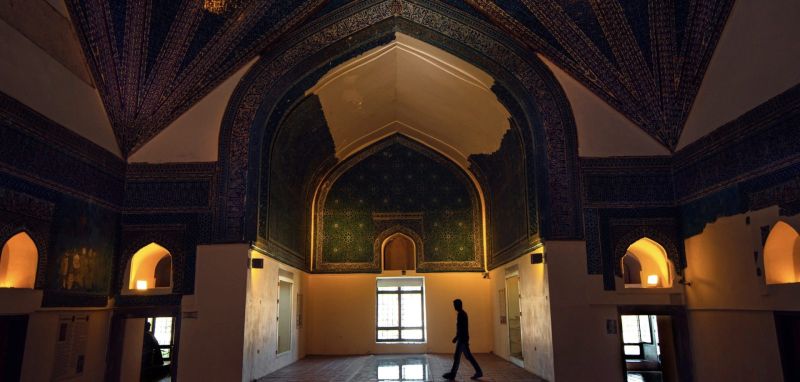
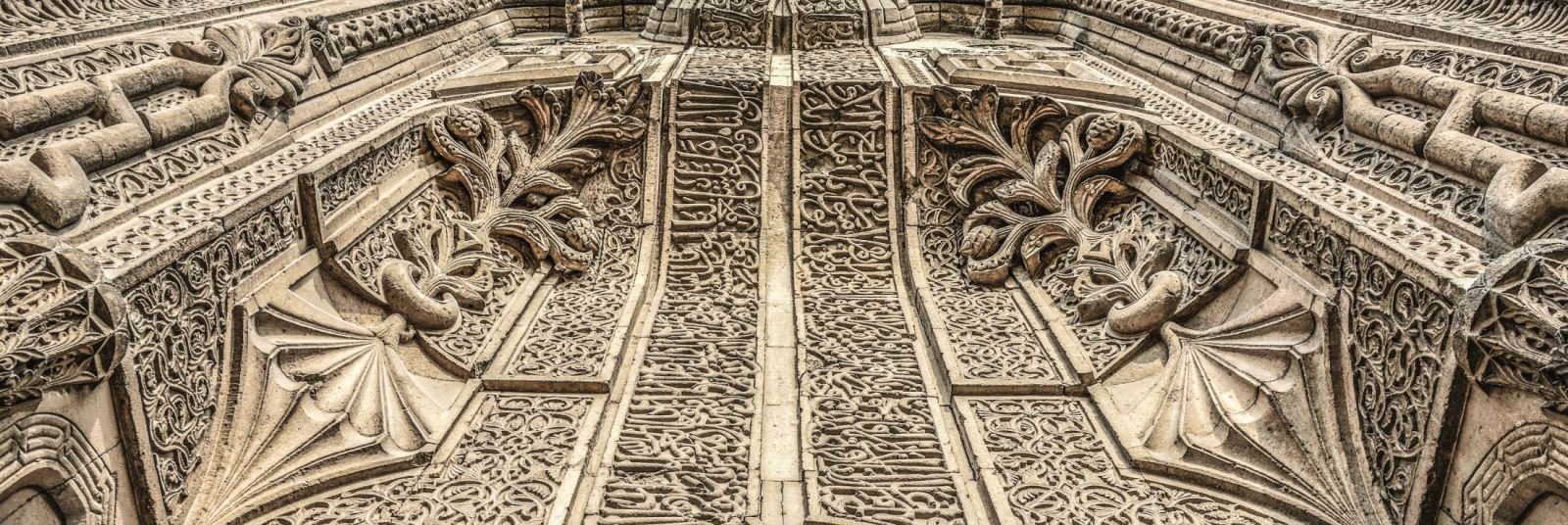
The structure features a closed courtyard, a single iwan, and a series of student rooms, all arranged on a single level. Its most striking feature is the richly decorated entrance portal, an exquisite example of Seljuk stone carving. The portal is adorned with intricate vegetal and geometric motifs, and includes inscriptions from the Quran, such as the Surahs Yasin and al-Fath.
The museum gets its name from the tall, slender minaret that once towered above it. Although much of the original minaret was destroyed by lightning in 1901, its base remains and continues to reflect the grandeur of Seljuk architecture.
Since 1956, the building has served as the Museum of Stone and Wood Artifacts. Its collection includes intricately carved wooden doors, window shutters, ceiling rosettes, architectural inscriptions, and stone sculptures from the Seljuk, Anatolian Beylik, and Ottoman periods. Among these are figures of animals and mythical creatures, along with fragments from historic structures across the region.
The museum is open to visitors throughout the week and is included in the Museum Pass system (MüzeKart). It offers a unique glimpse into the craftsmanship and architectural artistry of medieval Anatolia and is a must-visit for those interested in history and art.