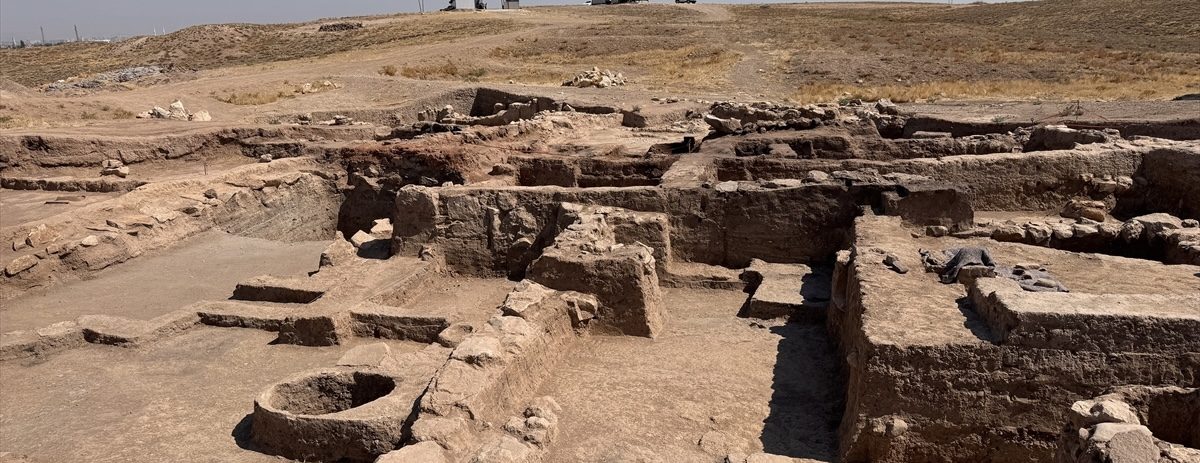
Meram Municipality continues to invest in history and tourism, working to preserve the district’s deep-rooted heritage for future generations. Inspecting the ongoing archaeological excavations at Larende Gate, Karahöyük and the ancient city of Lystra, Meram Mayor Mustafa Kavuş said, “We are building our future by protecting our past and opening Meram’s historic treasures to the world.”
Meram Municipality continues to support projects aimed at uncovering the district’s thousands of years of history and strengthening its tourism potential. As part of these efforts, Mayor Kavuş carried out detailed inspections at three major archaeological excavation sites across the district. He visited the Larende Gate and historic city wall remains in Şükran Neighbourhood, Karahöyük, and the ancient city of Lystra, receiving updates from officials on the progress of the work.
Larende Gate and the Historic City Walls
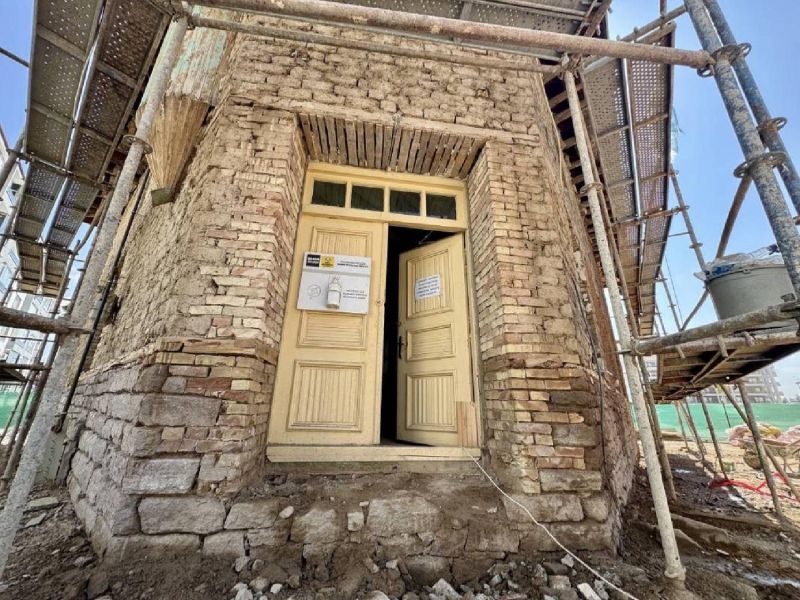
Mayor Kavuş’s first stop was the excavation area at Larende Gate and the surrounding historic city wall remains, where work is continuing as part of the Şükran Urban Transformation Project. The excavations are being carried out in cooperation with the Konya Museum Directorate, Konya Metropolitan Municipality and Meram Municipality. Mayor Kavuş noted that a team of around 60 people is working carefully and continuously at the site.
Kavuş said that “The project aims not only to uncover the past but also to restore historic structures. As part of the Şükran Urban Transformation excavations in the city centre, we have both an excavation and restoration project for Larende Gate and the surrounding city walls. Our work continues uninterrupted with a team of around 60 people through the cooperation of the Museum Directorate, Konya Metropolitan Municipality and Meram Municipality. Significant progress has already been made. Our residents are following with great curiosity what is happening behind the wooden barriers. Both excavation and restoration work will continue until the end of this summer. Soon, people will be able to see the historic richness uncovered here with their own eyes.”
“Karahöyük: A Trade Centre of Anatolia for Thousands of Years”
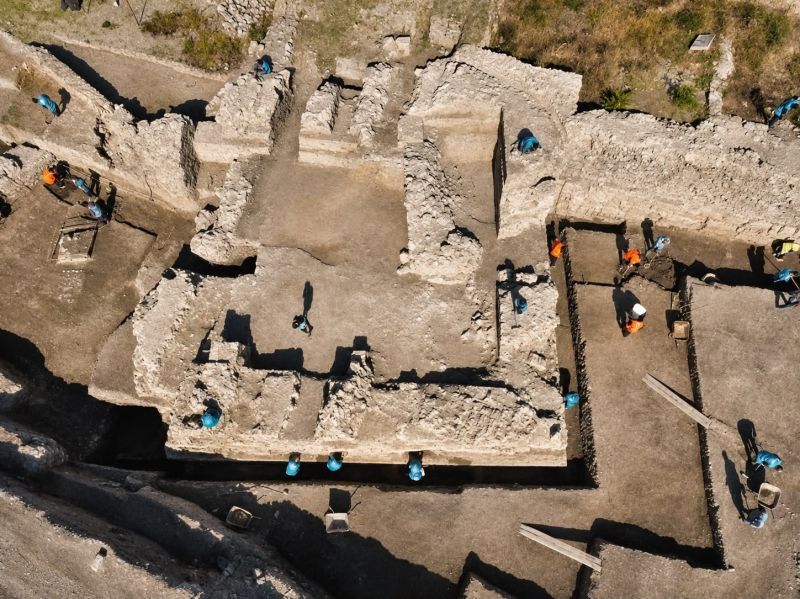
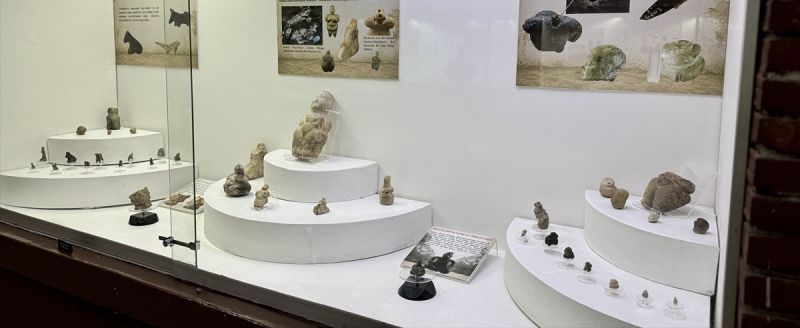
Mayor Kavuş’s second stop was the Karahöyük excavation site. There, he examined both the ongoing work and the artefacts uncovered so far, receiving detailed information from excavation director Assoc. Prof. Dr. Gönca Dardeniz Arıkan.
Kavuş said that “The excavations, which have been continuing for approximately five seasons under the auspices of the Presidency and with the support of Konya Metropolitan Municipality, are of major importance not only for Konya but also for world archaeology.”
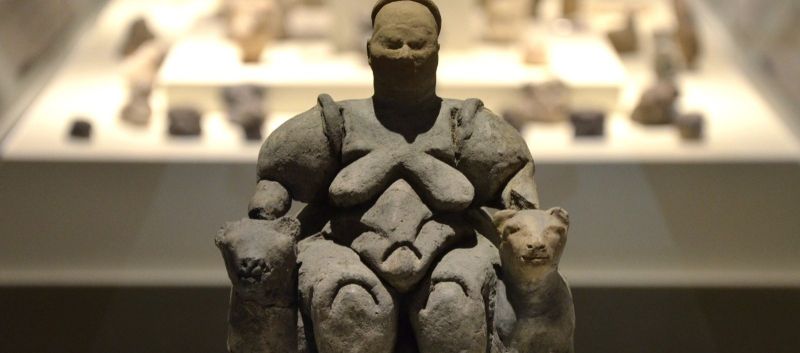
Highlighting Karahöyük’s history stretching back to the third millennium BC, Kavuş described it as one of Anatolia’s most significant ancient trade centres. He said that “At Karahöyük, a city with thousands of years of history is emerging layer by layer. Very valuable remains from different periods, beginning around 2500 BC and extending to later centuries, are being uncovered. We are finding houses, workshops and many objects related to daily life. These discoveries provide tangible evidence that Anatolia and Konya were important centres of trade thousands of years ago. Findings from the site will also begin to be exhibited in the near future. With its historical richness and tourism potential, Karahöyük is set to become a major attraction in the future.”
Lystra: A New Centre of Global Faith Tourism
Lystra is one of the places mentioned in the Bible and is associated with the journeys of Saint Paul, giving the site considerable spiritual importance in the Christian world. The final stop on Mayor Kavuş’s inspection tour was the ancient city of Lystra, a site of major importance both for world history and Christianity. He received information about the excavation from Assoc. Prof. Dr. İlker Mete Mimiroğlu and underlined Lystra’s international cultural significance.
Mayor Kavuş said that “Academics, students and tourist groups from different countries are already visiting the area even while excavations are still underway. This is an extremely important place not only for Meram and Konya, but for the entire Christian world and for global history. Because it is mentioned in the Bible and Saint Paul visited this area, people from all over the world are curious about Lystra. Visitors from different countries are already coming while the excavations are still continuing. Once the work is completed, we expect a much greater increase in visitor numbers not only to visit Lystra, but also Kilistra, Karahöyük and other historic sites in Meram. These destinations will strongly complement the tourism activity already created by the Mevlana Museum. This will strengthen the promotion of our city and also generate important economic benefits.”
Mayor Kavuş: “The Winner Will Not Be Meram or Konya Alone, but the Entire Region”
Emphasising the importance Meram Municipality places on protecting historical and cultural heritage, Mayor Kavuş said that “The ongoing excavations are not only revealing the past but also helping shape Meram’s future tourism vision. He noted that the work is continuing through cooperation between the Konya Museum Directorate, Konya Metropolitan Municipality, Necmettin Erbakan University and researchers. The main purpose of all these efforts is to protect our thousands of years of history and bring this heritage together with the public. Every artefact uncovered adds value to the cultural heritage of Meram, Konya and our country. Very soon, our residents will be able to see this major transformation move from plans into reality. When this process is complete, the benefits will extend far beyond Meram. Konya and Türkiye’s tourism sector as a whole will also gain.”