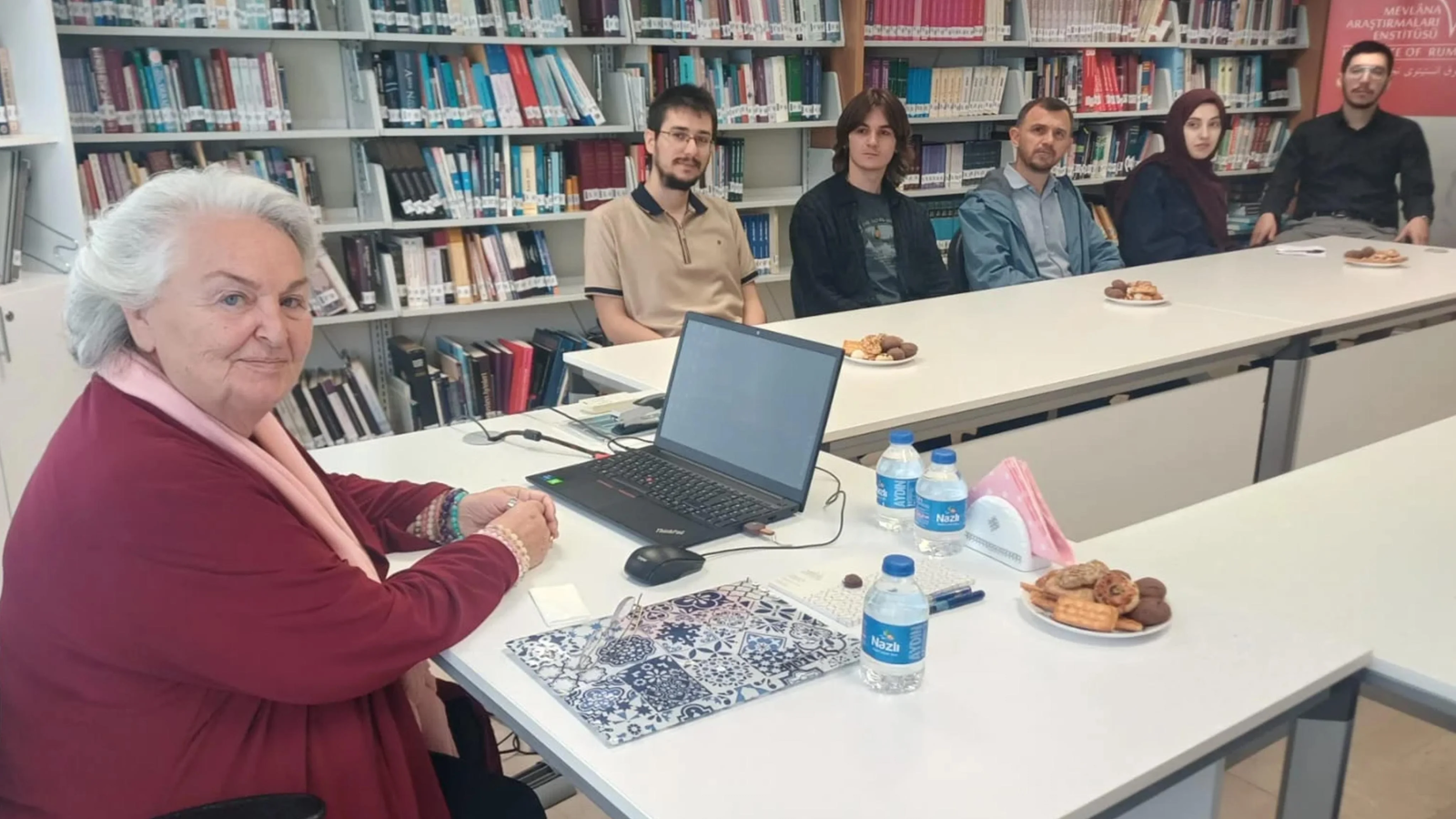
During the talk, which explored Mevlana’s philosophy, the principles of Mevlevi tradition and the whirling ceremony, Çelebi Bayru emphasized the importance of ensuring that Mevlevi culture is properly understood and passed on to future generations. She also spoke about her dream project, the “Mevlana Cultural Village,” which she hopes to establish in Konya.
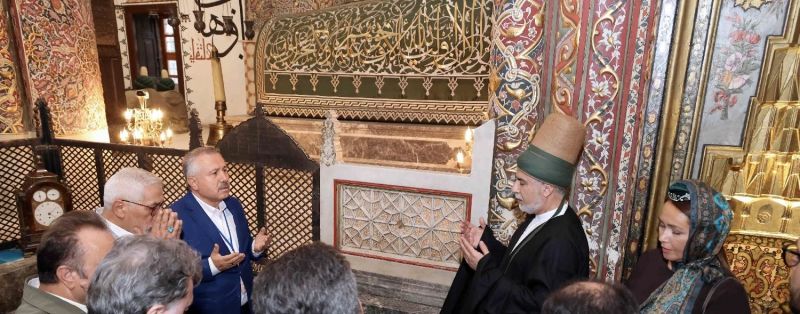
The guest speaker at this month’s “Student Gatherings” event, launched by Selçuk University’s Mevlana Research Institute in the 2026–2027 academic year, was Dr. Esin Çelebi Bayru, Vice President of the International Mevlana Foundation and a 22nd-generation descendant of Mevlana.
Çelebi Bayru spoke about Mevlana and Mevlevi culture and traditions during a talk titled “Mevlana and the Principles of Mevlevi Tradition,” organized for graduate students studying in the Department of Mevlana and Mevlevi Studies at the institute.
Noting that Mevlana’s teachings have guided humanity for 800 years across numerous fields, from history to medicine, Çelebi Bayru said:
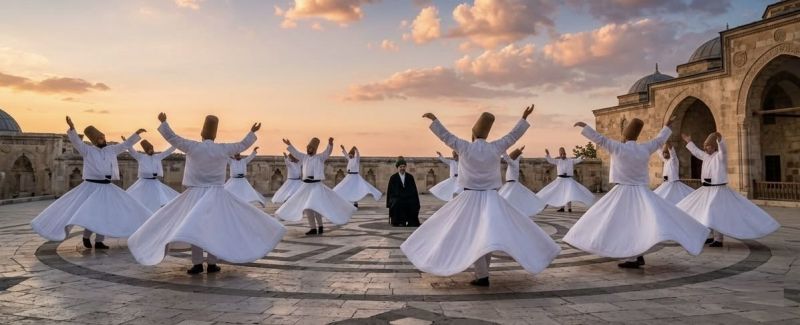
“When people think of the Mevlevi tradition, they immediately think of the sema. Sema is a symbol. It is a turning movement combined with music that becomes an expression directed toward the soul. Although the term ‘sema ceremony’ is widely used, the correct term is mukabele. Sema is a form of dhikr, and whirling dervishes recite the name of Allah during the mukabele.
“Everything in the Mevlevi tradition, from the movements to the clothing, carries meaning. For example, the semahane represents the world, while the red post represents Mevlana. Many people tell me they want to learn the sema. However, I first advise them to learn about Mevlevi culture and traditions and internalize them in their lives before learning the sema itself. Because sema is merely like the fruit on top of a cake.”
‘MY DREAM IS TO ESTABLISH A MEVLANA CULTURAL VILLAGE IN KONYA’
Speaking about her long-held dream of establishing a Mevlana Cultural Village, Çelebi Bayru said:
“I have had this dream for approximately 15 years. I envision a village in Konya, similar to a holiday resort, where visitors can stay while learning firsthand about the elements of Mevlevi culture and tradition from experts. It would also host musical performances and traditional arts, while providing spaces for worship and contemplation.
“Our Mevlana Research Institute at Selçuk University could also make a significant contribution to this project. I hope I will have the opportunity to make this dream a reality.”