Karatay Madrasa Showcases Seljuk Mastery
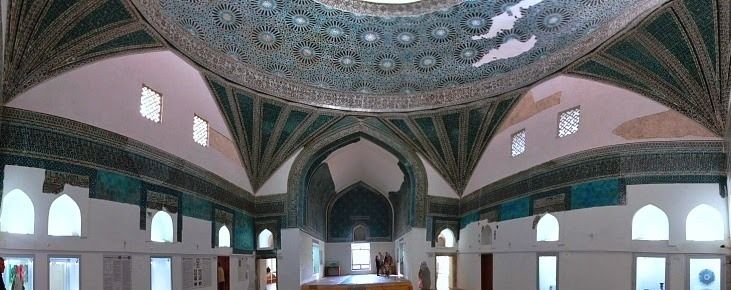
Karatay Madrasa, built in 1251 during the reign of Sultan II. Izzeddin Keykavus by Celaleddin Karatay, stands as one of the finest examples of Seljuk architecture in Konya.
Karatay Madrasa, built in 1251 during the reign of Sultan II. Izzeddin Keykavus by Celaleddin Karatay, stands as one of the finest examples of Seljuk architecture in Konya.
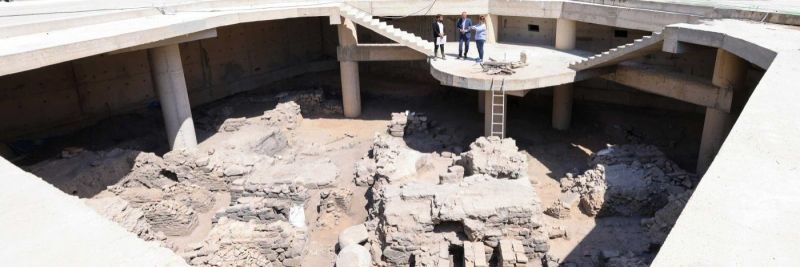
Meram Municipality is turning the Seljuk-era bath remains, uncovered during the Şükran Urban Transformation Project in Sahibata Neighborhood, into one of Konya’s landmark structures by covering it with a geodesic glass dome.
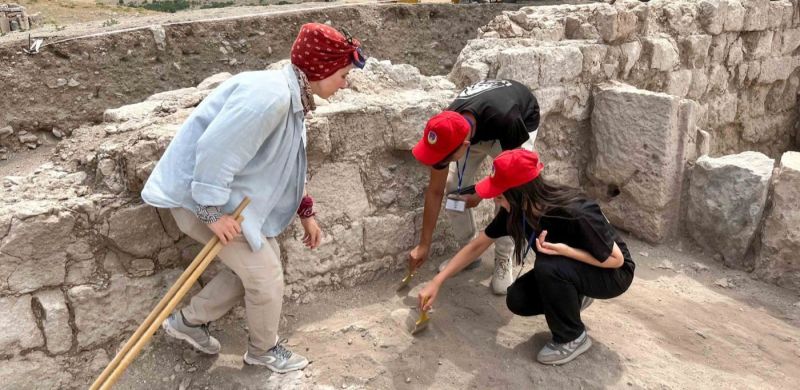
The excavations at the ancient city of Lystra, launched through the initiatives of Meram Municipality, hosted an important educational project.
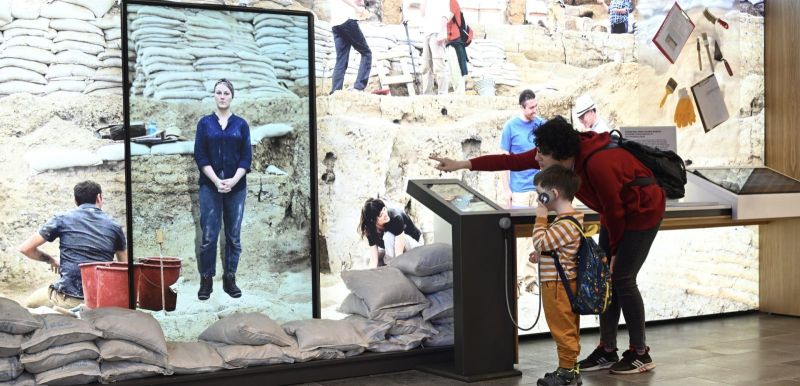
The Çatalhöyük Information and Meeting Center in Konya offers a unique experience for history and archaeology enthusiasts.
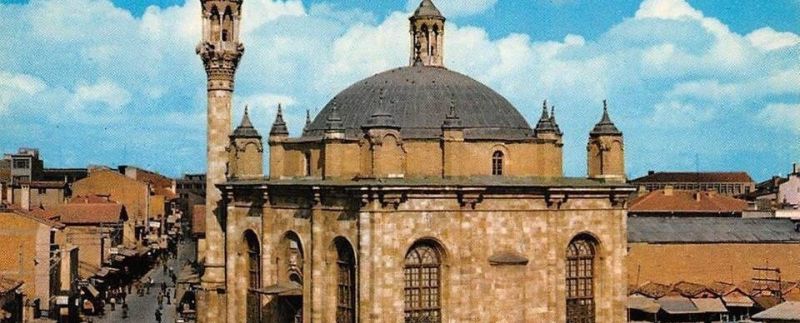
The Aziziye Mosque in Konya showcases classic Ottoman architectural features, blending both functional design and elegant aesthetics typical of 19th-century Ottoman mosque construction.
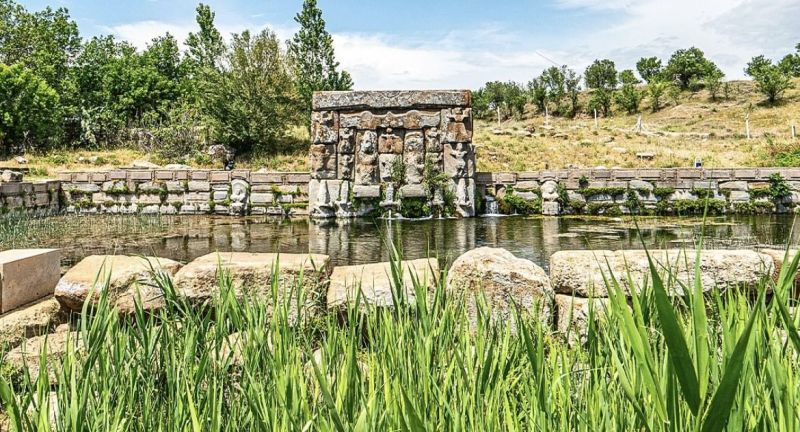
Located in Konya, the Eflatunpınar Hittite Water Monument is an open-air temple built during the Hittite period, around the 14th century BCE.
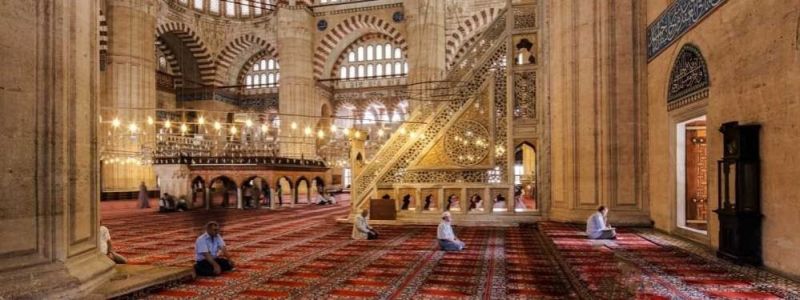
Selimiye Mosque is one of the well-known mosques in Konya. It is located right next to the Mevlana Museum, in the heart of the city. The mosque was built during the Ottoman period in the 16th century by order of Sultan Selim II.
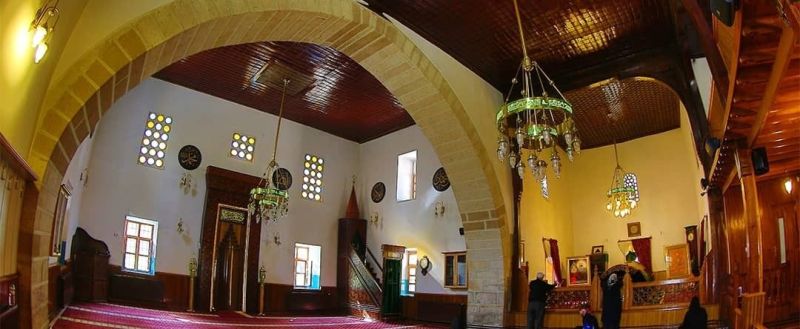
Sems-i Tebrizi Mosque is located in the city center of Konya, Turkey. It is named after Shams of Tabriz, a Persian mystic who had a deep influence on the famous poet and thinker Rumi. The mosque is part of a small complex that includes the tomb of Shams.
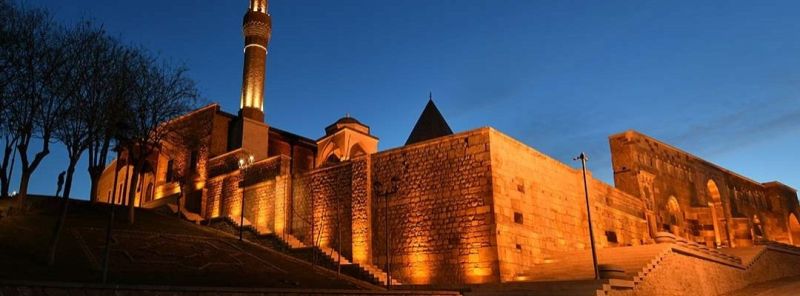
Alaeddin Mosque stands as one of Konya’s most significant and historic landmarks, deeply rooted in the city’s Seljuk heritage.
Lystra Ancient City, located within the borders of Gökyurt village in Konya’s Meram district, was an important Roman colony during the Middle Ages.
The Fasillar Monument, located in the village of Fasillar in Konya’s Beysehir district, is considered one of the largest rock monuments in Anatolia and stands as a unique legacy of the Hittites.
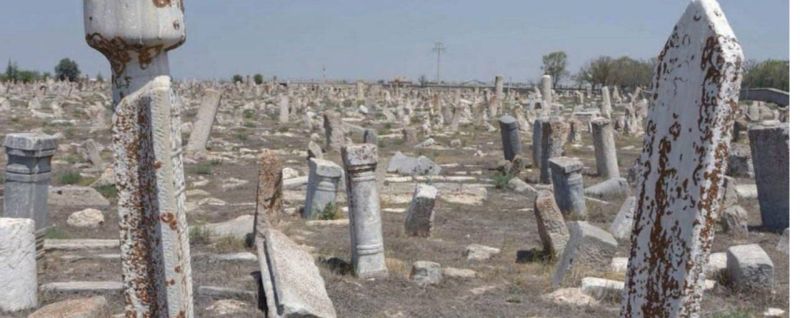
Obruk Cemetery, located in Konya and situated right across from the historic Obruk Caravanserai, which dates back about 800 years, is considered one of the remarkable examples of Anatolia’s ancient cultural heritage.