Friday, November 13, 2026

History

History

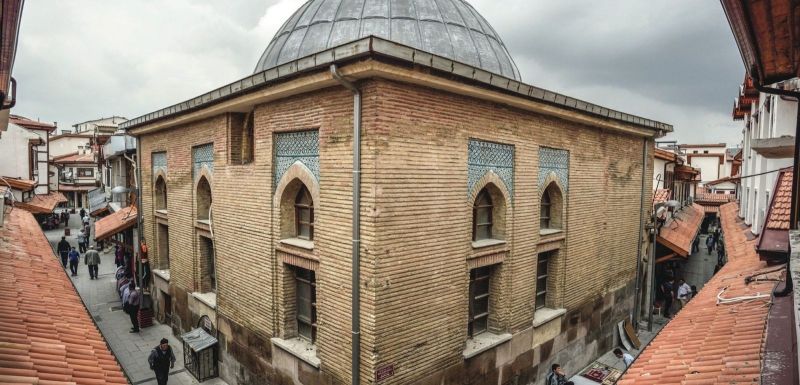
Bulgur Tekke Mosque: A Timeless Landmark in Konya

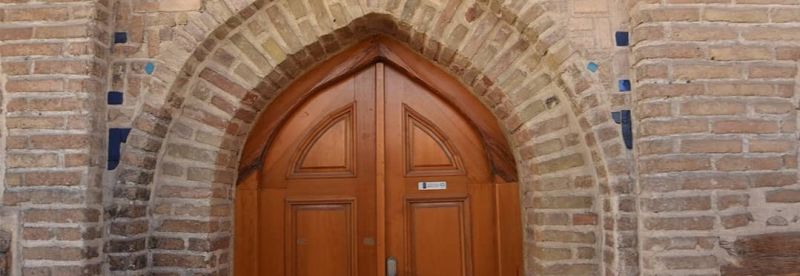
Bulgur Tekke Mosque is a 13th-century mosque located in Konya, Turkey. It is believed to have been a dervish lodge in the past. The mosque is known for its unique architectural style, which combines Seljuk and Ottoman elements.
History

Çatalhöyük Gains Popularity

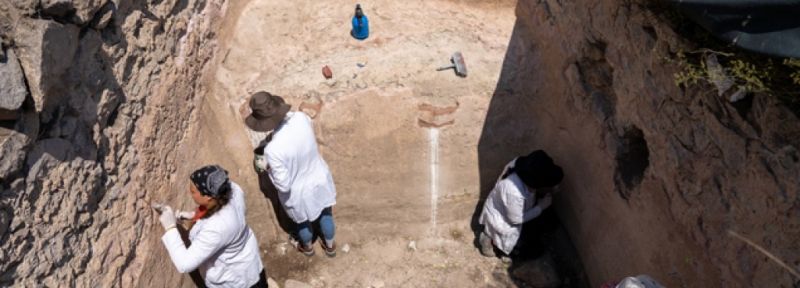
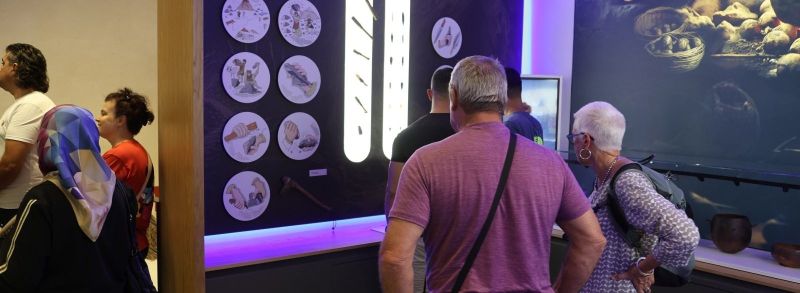
The Çatalhöyük Information and Meeting Center, established by the Konya Metropolitan Municipality, takes visitors on a historical journey.

History

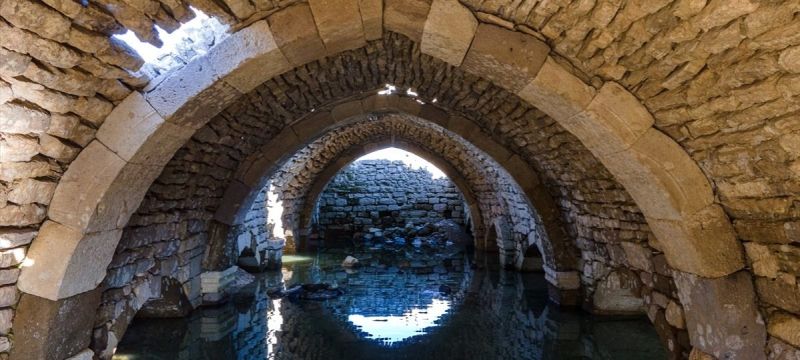
The Mahkeme Bathhouse in Konya

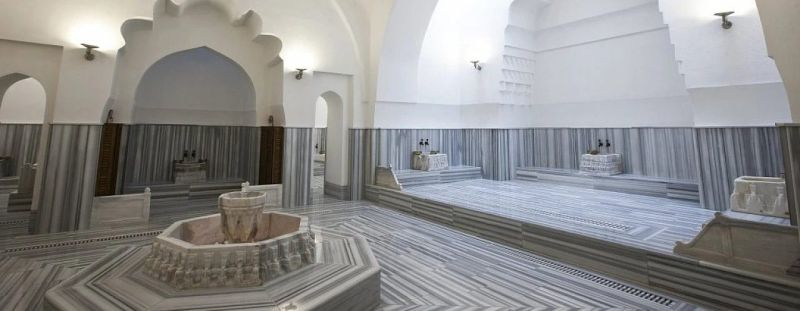
Mahkeme Bathhouse is a significant historical and cultural landmark located in the heart of Konya. Built during the reign of Ibrahim Bey II in the 15th century, this ancient bath offers a glimpse into the city's rich past.

History

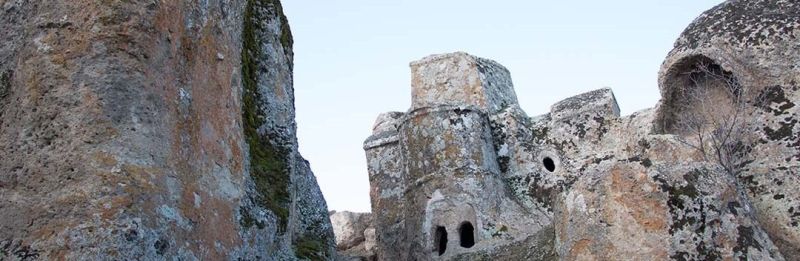
Kilistra Church of the Cross

The ancient city of Kilistra, situated in today’s Hatunsaray in Konya’s Meram district, holds significant strategic importance in Early and Middle Period Christian history due to its church.

History

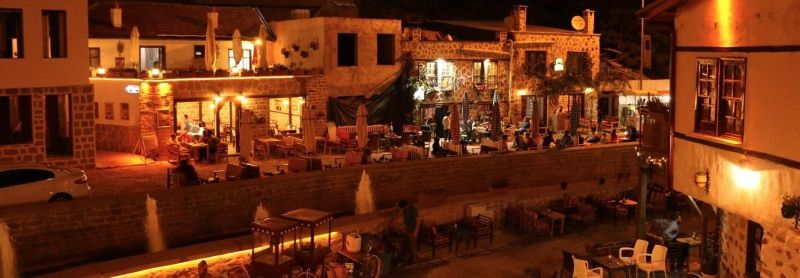
A Journey Through Sille's Historic Streets

In addition to its historical significance, Sille is also known for its unique architecture and cultural heritage. The cobblestone streets, stone houses with red-tiled roofs, and intricate wooden balconies reflect the traditional Anatolian style, creating a…

History

Kubadabad Palace

Famous Seljuk Sultan Alaeddin Kayqubad commissioned Kubadabad Palace to the west of Beyşehir and north of Gölyaka town. The palace was designed by the architect Sadettin Köpek, the hunting ameer of the period.

History

The Historic Erdemşah Mosque

The Erdemşah Mosque is an Anatolian Seljuk period mosque located in Konya. The mosque was erected in 1220 by Semseddin Erdemşah, son of Hacı Ismail, during the second reign of Sultan Alaeddin Keykubad, according to a six-line marble inscription written in…

History

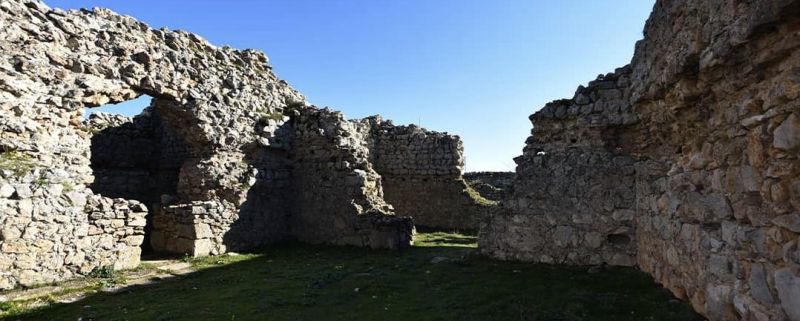
Roman Era Border Watchtowers Found in Konya

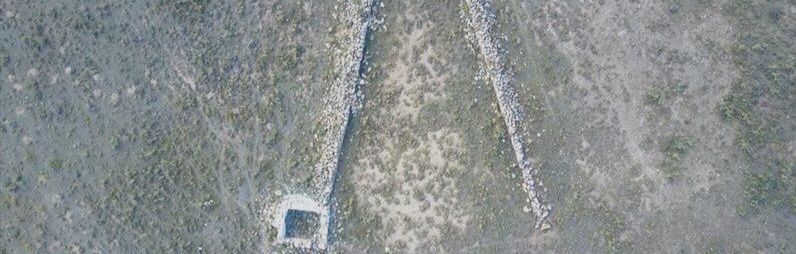
100 watchtowers were found in Bozdağ National Park in Konya’s Karatay district, which were built as a border post by the Roman Empire 2,000 years ago and were later used by the Byzantine Empire.