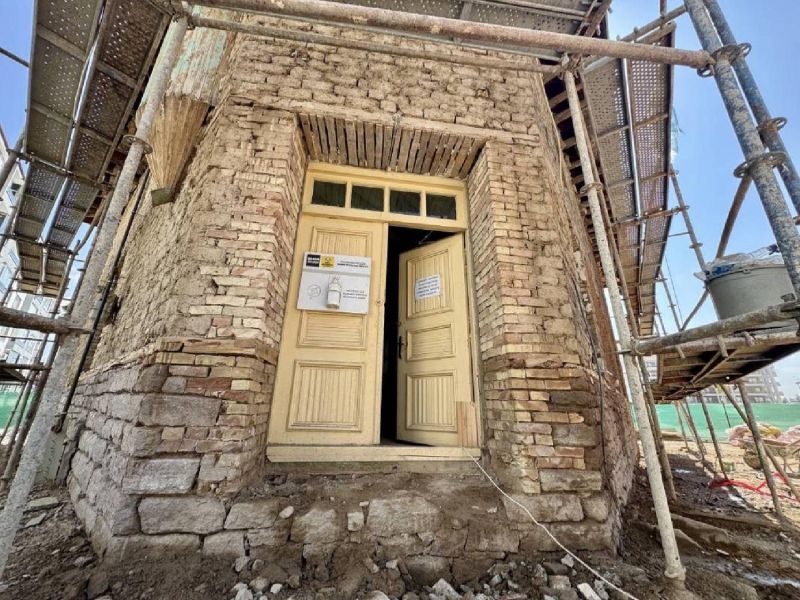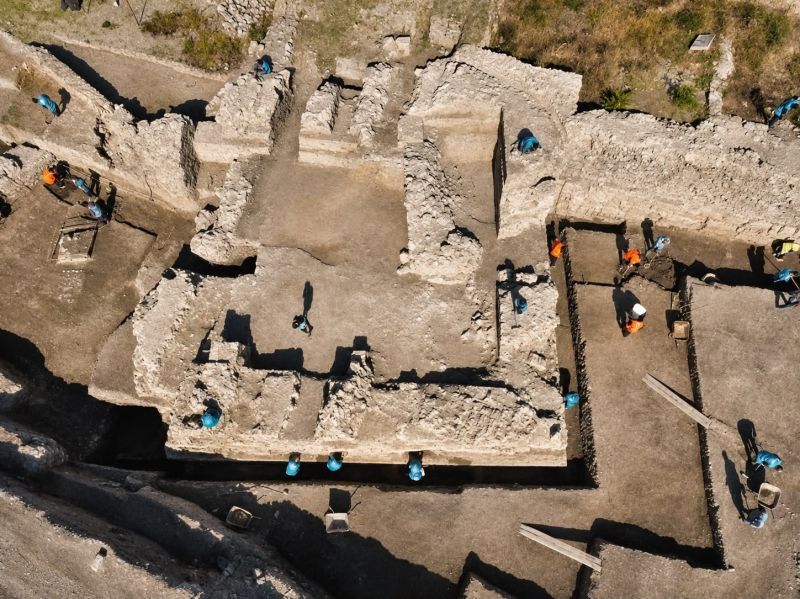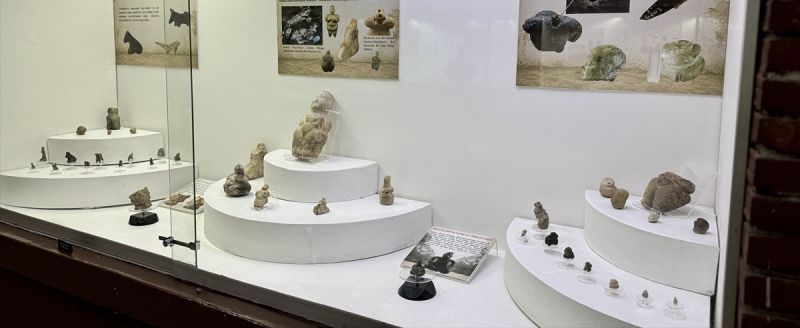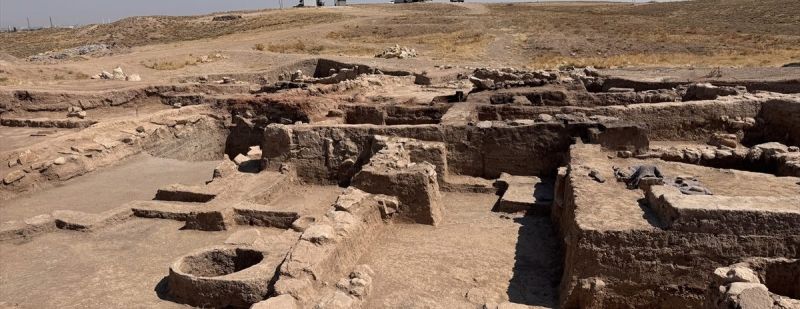
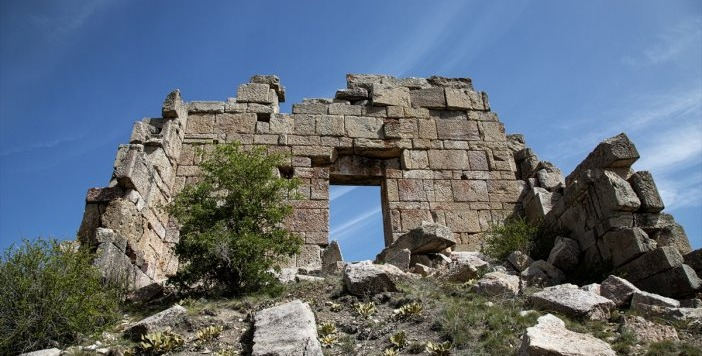
The ancient city of Isaura, located in Konya and referred to as Zengibar Castle, was one of the largest provinces of the Roman period. It captivates visitors with its walls, well-preserved towers, theater, triumphal arch, church, and rock-cut tombs.
Zengibar Castle, situated at an altitude of 1850 meters on the extension of the Taurus Mountains, between the Hacılar and Ulupınar neighborhoods of the Bozkır district, impresses visitors. It has been historically utilized by the Hittites, Persians, and Romans.
A portion of the walls and towers surrounding the Isaura Ancient City's castle still stands.
Isaura, located 16 km away from Bozkır, is situated on a dominant hill at an altitude of 1860 meters along the Konya-Bozkır Highway. It is the same location known today as Zengibar Castle. The hill, surrounded by steep cliffs, served as a strategic point to control both Konya and the Taurus Mountains.
This specifically chosen mountain peak also controls the regions of Seydişehir, Karaman, and Hadim. This dominant hill, known for its abundant water sources, offers views of the Taurus Mountain range, Seydişehir, Suğla Lake, and even various parts of Konya. The Isaurians deliberately selected this strategic hill, and the plan of the Isaura ancient city was drawn up, indicating the locations of significant structures and necropolises within the city.
The city walls: The length of the walls surrounding Isaura city is approximately 4 km. Starting from the southern point of the city, they encircle the east and continue up to the northern tip. While some parts of the natural wall have suffered damage, other sections still stand with their full grandeur. The walls of Isaura city are supported by towers built at intervals of approximately 250-300 meters, although their construction may vary in certain areas.
The walls, constructed utilizing the natural terrain of the city, were sometimes built on earth ground and sometimes on rocky terrain. The stones used for the walls were extracted from stone quarries within the city. In Isaura, both the stones used in the walls and other structures are of a light brown color. While marble was sparingly used, the predominant stone in all the buildings is limestone. In the stone quarry located in the southwest of the city, there is a large water reservoir. To reinforce the walls, a bond-like pattern was employed in the construction of the walls.
During the Roman period, Isaura Ancient City, which was home to approximately 10,000 people, is often referred to as the "Ephesus of Konya" due to its historical assets, most of which remain buried underground.