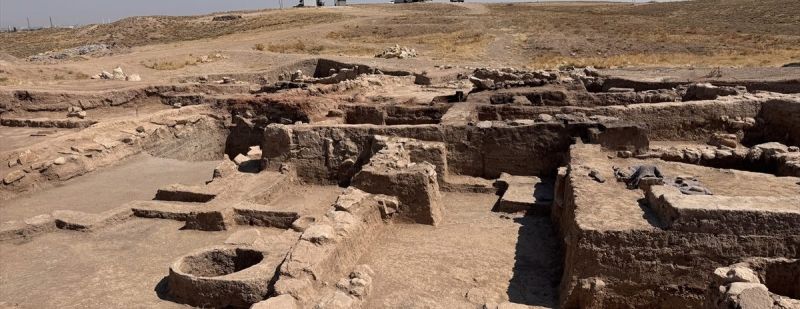
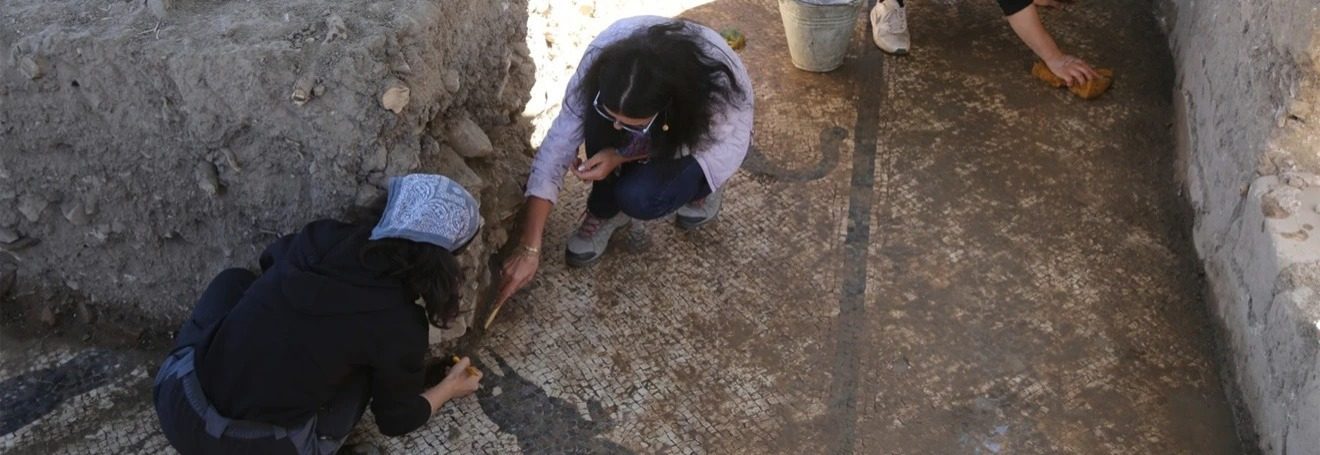
Under the leadership of Prof. Dr. Zeliha Gider Büyüközer, a faculty member of the Archaeology Department at Selçuk University in Konya, significant historical findings have been uncovered during excavations at the ancient city of Heracleia in Muğla.
Excavations led by Prof. Dr. Zeliha Gider Büyüközer, a faculty member of the Archaeology Department at Selçuk University, have revealed historical findings at the ancient city of Heracleia in Muğla.
The excavation leader, Prof. Dr. Zeliha Gider Büyüközer from the Archaeology Department at Selçuk University, stated that Heracleia was a port city located on the shores of Lake Bafa in ancient times. Over time, sediment carried by the Meander River blocked the mouth of the gulf, causing the city to lose its status as a port.
Prof. Dr. Büyüközer explained that they have uncovered evidence indicating that Heracleia was continuously inhabited until the mid-13th century AD. She also noted that they have commenced the fourth season of excavations in the ancient city and that this year's efforts have been included in the Legacy for the Future Project.
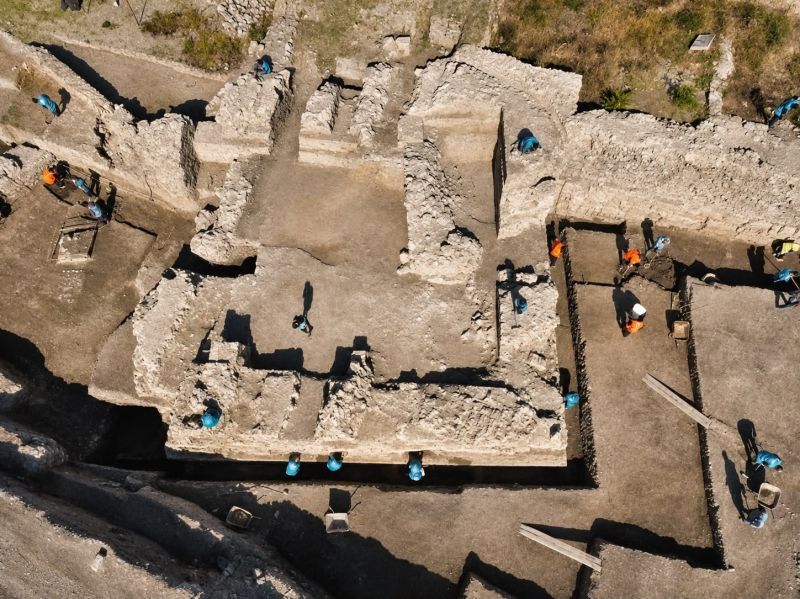
Highlighting the significance of the Roman bath for the ancient city, Prof. Dr. Büyüközer stated, “The data we have gathered over the past three years indicate that the city largely maintained its importance during both the Roman and Late Antiquity periods. This makes the structure we are excavating particularly significant. The findings we uncover will especially help shed light on the Roman period of the city. So far, we have identified seven rooms in the bath. Excavations are ongoing in the caldarium (the hot room in Roman baths). During our work, mosaics have been uncovered on the floors of two rooms. We believe similar flooring will be found in the other rooms as well.”