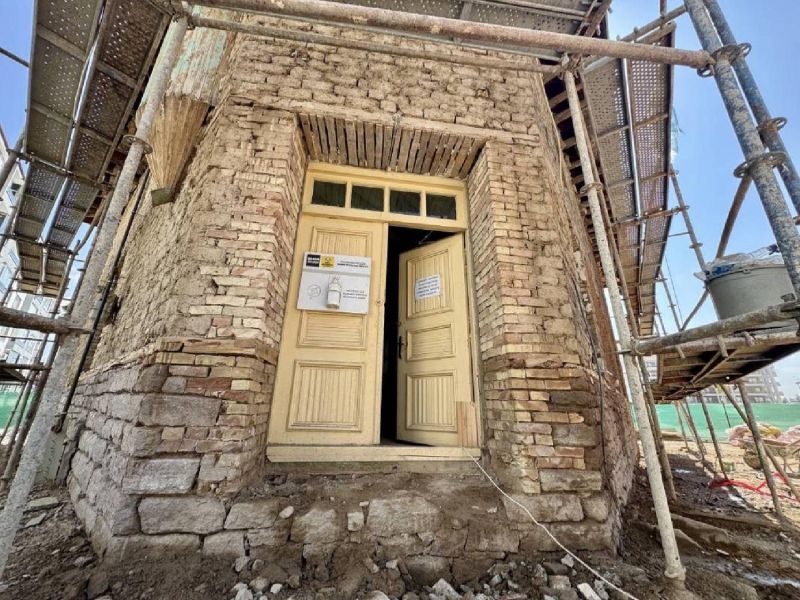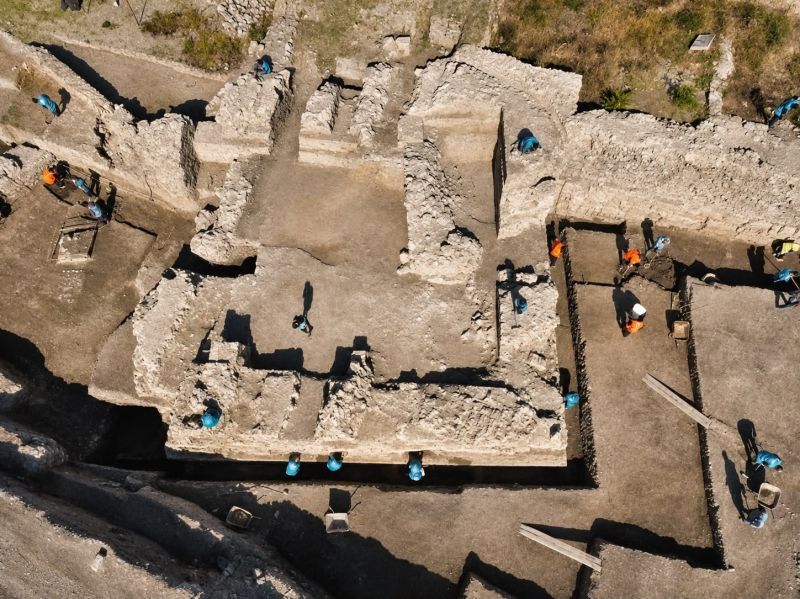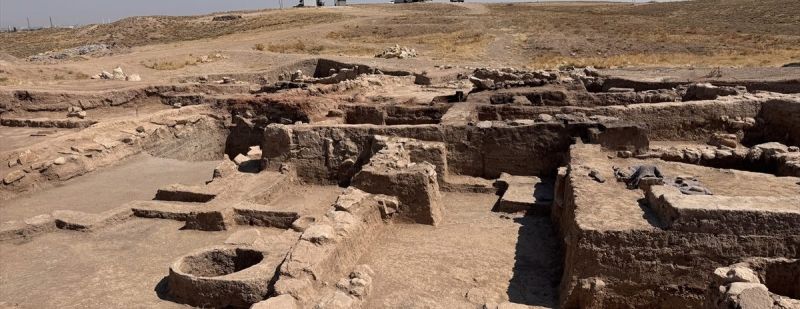
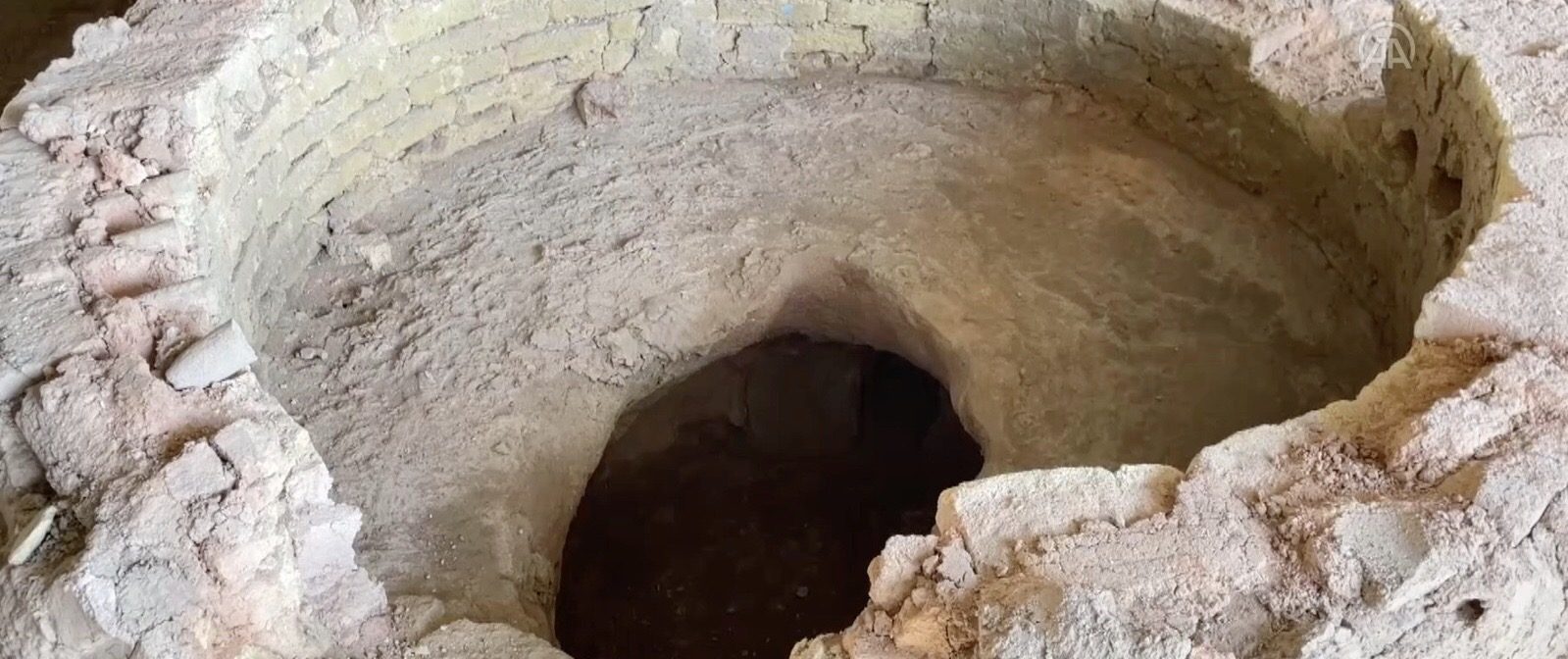
The excavation conducted by the Museum Directorate in the urban transformation area of Konya's city center has uncovered a ceramic kiln used for producing kitchenware from the Anatolian Seljuk palace.
Mehmet Ali Çelebi, a specialist from the Konya Museum Directorate, visited the third floor in the Şükran Neighborhood of Meram district's city center. He shared that excavations are being conducted in the urban transformation area within the Degree Archaeological Site, under the guidance of the Museum Directorate.
Çelebi highlighted the exciting discoveries made during excavations led by Meram Municipality at the site of ongoing urban transformation. He explained, "Historians and archaeology experts previously debated the location of Konya's ceramic kilns. We would have loved to witness this discovery ourselves. When we identified materials related to the furnace in this area, we suspected there might be a ceramic kiln. Through drilling and salvage excavation, we uncovered this structure. The excavation took more than a year, and we uncovered the furnace along with its well and surrounding outbuildings."
Çelebi emphasized that the bakery found on-site, one of the significant archaeological finds from the Turkish period in recent years, dates back to the mid-13th century, during the Anatolian Seljuk period.
The fact that 70 percent of the furnace remains intact further increases its significance. Çelebi noted that ceramic kilns rarely survive to the present day due to wear from intense heat and the lack of durable structures. "This ceramic oven is the only one that has remained intact and preserved its original form," he stated.
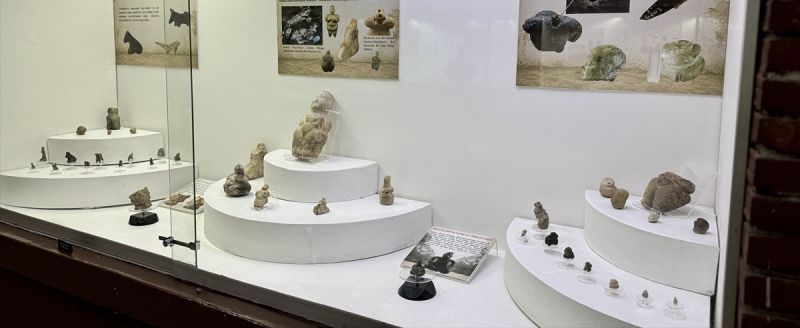
In addition to the furnace, several other important finds were uncovered. "We discovered a boat-shaped vessel and processed quartz material, which is a raw material for ceramics. Right next to this structure is a clay pool known as the glaze boat, where secrets are broken down and turned into clay. The clay cracking pool and ceramic molds were also significant discoveries, including molds for the double-headed eagle and peacock."