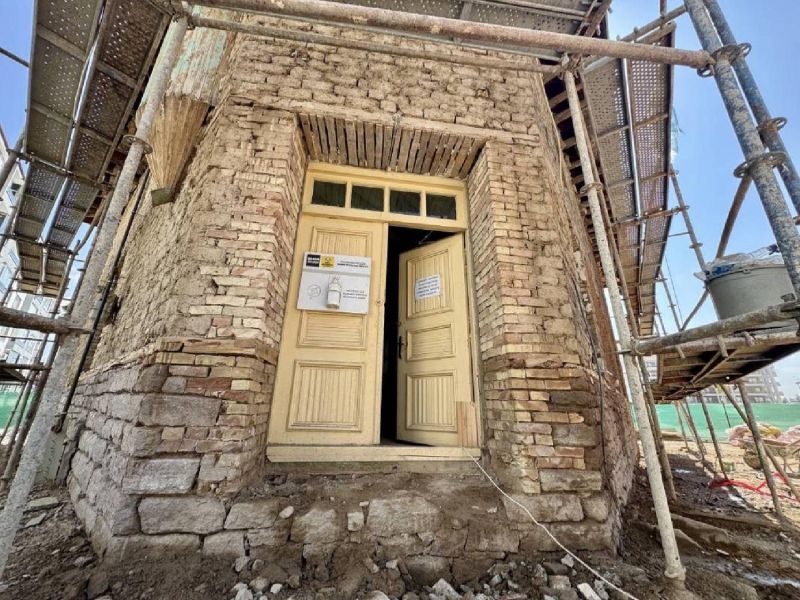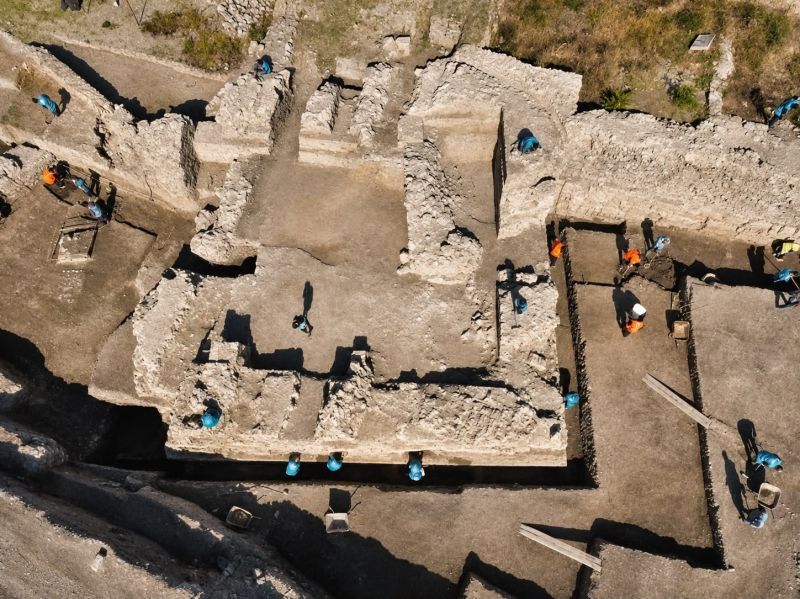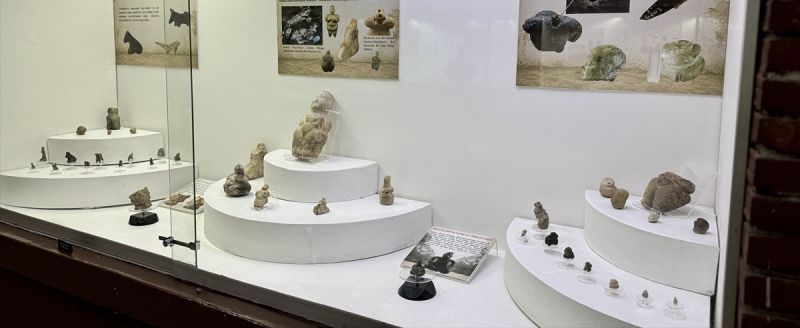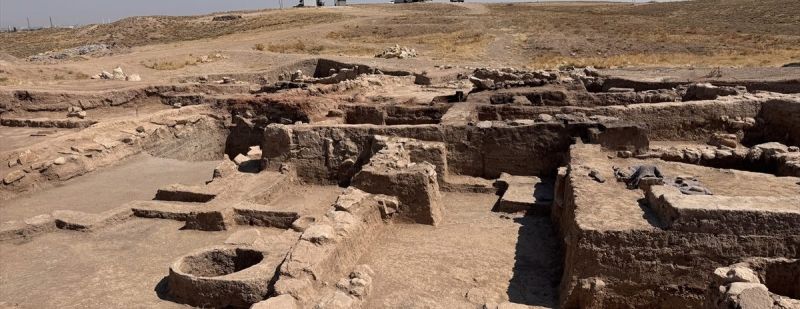
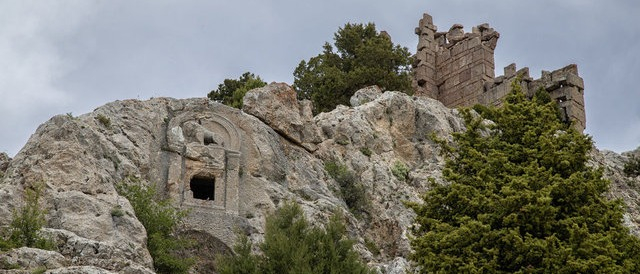
The ancient city of Isaura, also known as Zengibar Castle, is located in Konya and was once one of the major settlements of the Roman period. It fascinates visitors with its impressive walls, well-preserved towers, theater, triumphal arch, church, and rock-cut tombs.
Perched 1,850 meters above sea level on an extension of the Taurus Mountains, between the Hacılar and Ulupınar neighborhoods of Bozkır district, Zengibar Castle has a commanding presence. Throughout history, it was used by the Hittites, Persians, and Romans.
A portion of the walls and towers surrounding the ancient city of Isaura still stands today, offering a glimpse into its glorious past.
Isaura is located about 16 kilometers from Bozkır, on a prominent hill at an altitude of 1,860 meters along the Konya–Bozkır Highway. This site, known today as Zengibar Castle, was strategically positioned on steep cliffs to control both Konya and the Taurus Mountains.
The carefully chosen mountain peak also overlooks the regions of Seydişehir, Karaman, and Hadim. Known for its abundant water sources, this elevated site offers sweeping views of the Taurus range, Seydişehir, Suğla Lake, and even parts of Konya. The Isaurians deliberately selected this strategic hill and laid out the city’s plan, marking the locations of major buildings and necropolises.
The city walls of Isaura stretch for approximately four kilometers, beginning from the southern end and extending around the eastern side to the northern tip. While some sections of the natural walls have been damaged over time, other parts still stand in remarkable condition. The walls are reinforced by towers built roughly every 250 to 300 meters, though their construction varies slightly in different sections.
Using the natural topography to their advantage, the builders constructed the walls both on earthen ground and rocky terrain. The stones used were quarried locally and are mostly light brown in color. Marble was used sparingly, with limestone being the dominant material in all structures. In the quarry located southwest of the city, there is a large water reservoir. The walls were strengthened using a bond-like pattern to increase their durability.
During the Roman period, Isaura was home to around 10,000 people. Because of its rich history and impressive ruins—many of which still lie buried underground—it is often referred to as the “Ephesus of Konya.”