Uğur İbrahim Altay, President of the International Union of Agricultural Cities and Mayor of Konya Metropolitan Municipality, said they were working to diversify agricultural production in Konya, known as an agricultural hub, and create alternative income opportunities for farmers.
“We are working to ensure the sustainability of agricultural production in Konya, use our water resources efficiently and offer farmers alternative crops with high added value. As part of these efforts, we are conducting trials at our Medicinal and Aromatic Plants Garden in Hatıp Neighborhood to explore the cultivation of different plant species in Konya and demonstrate practices that could serve as examples for local producers,” Altay said.
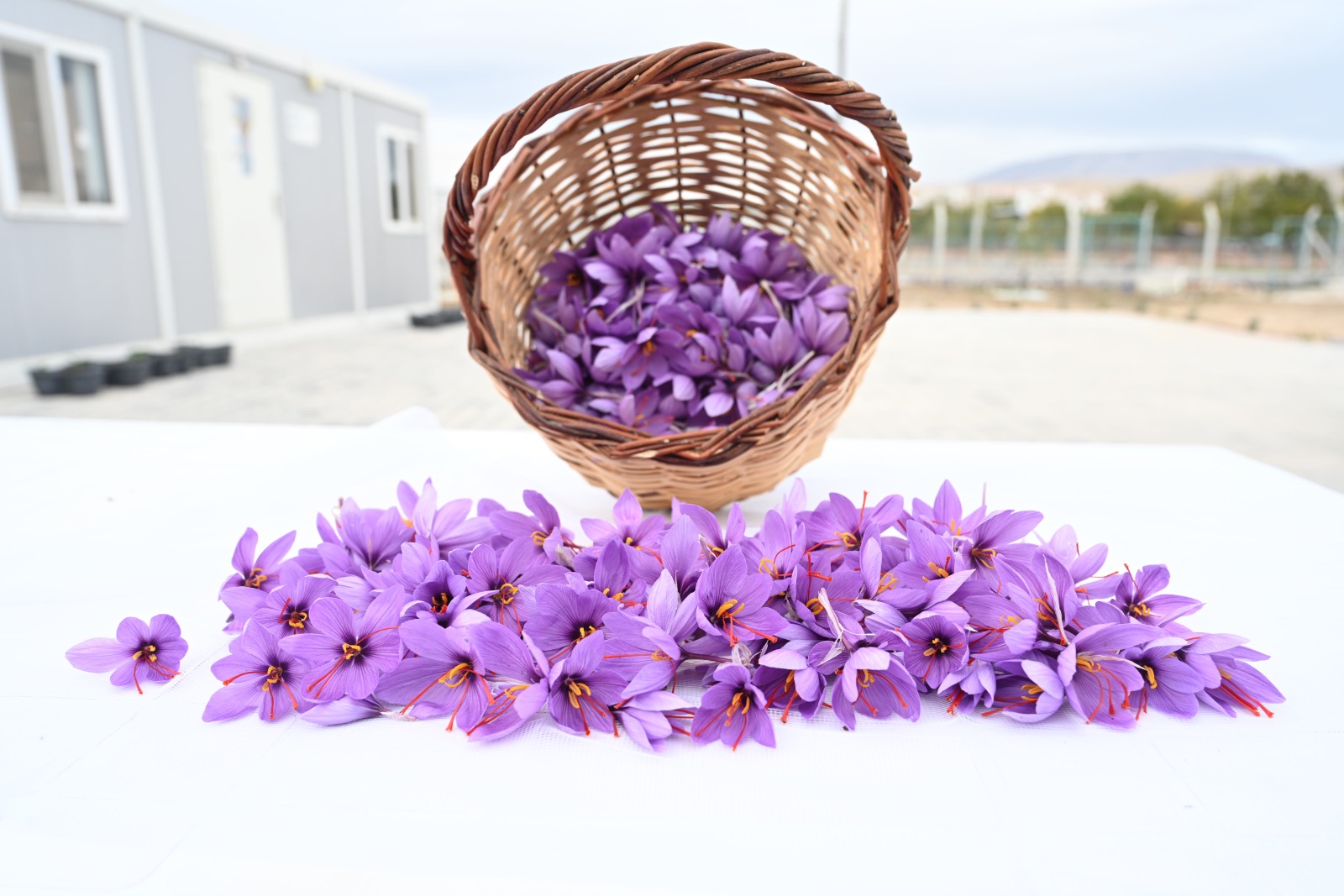
The project is being carried out at the municipality’s Medicinal and Aromatic Plants Garden in Hatıp Neighborhood to assess whether saffron, known as the world’s most expensive spice and largely imported, can be successfully cultivated under Konya’s regional conditions and to evaluate its productivity.
Saffron harvesting, which requires a highly delicate process, takes approximately 20 to 25 days. To ensure high-quality produce, saffron flowers are carefully picked at first light. After harvesting, the flowers are left to wilt before their red stigmas, which give saffron its distinctive color and aroma, are meticulously separated and dried. These steps result in the production of the valuable saffron spice.
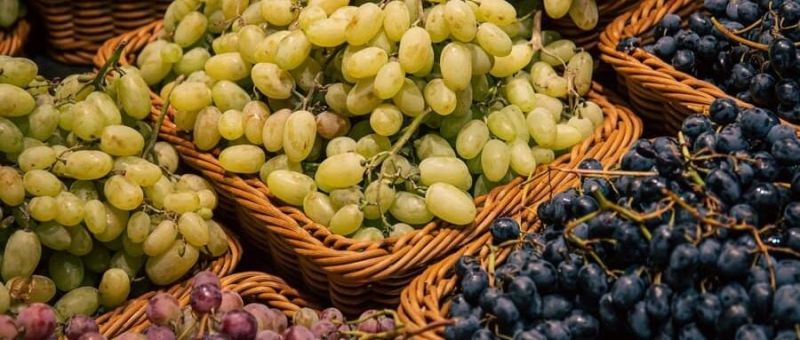
In addition to saffron, the Konya Metropolitan Municipality’s Medicinal and Aromatic Plants Garden also cultivates a variety of other products, including medicinal mint, sage, thyme, rosemary, echinacea, chamomile, aronia, raspberries, blackberries, grapes and salep.
Through these initiatives, the municipality aims to promote alternative crops that require less water and offer high economic value, while raising awareness among local farmers, young entrepreneurs and students about alternative agricultural production.
Saffron cultivation is also providing a scientific assessment of the crop’s productivity under Konya’s land conditions. The findings are expected to guide farmers and entrepreneurs interested in growing this valuable plant.