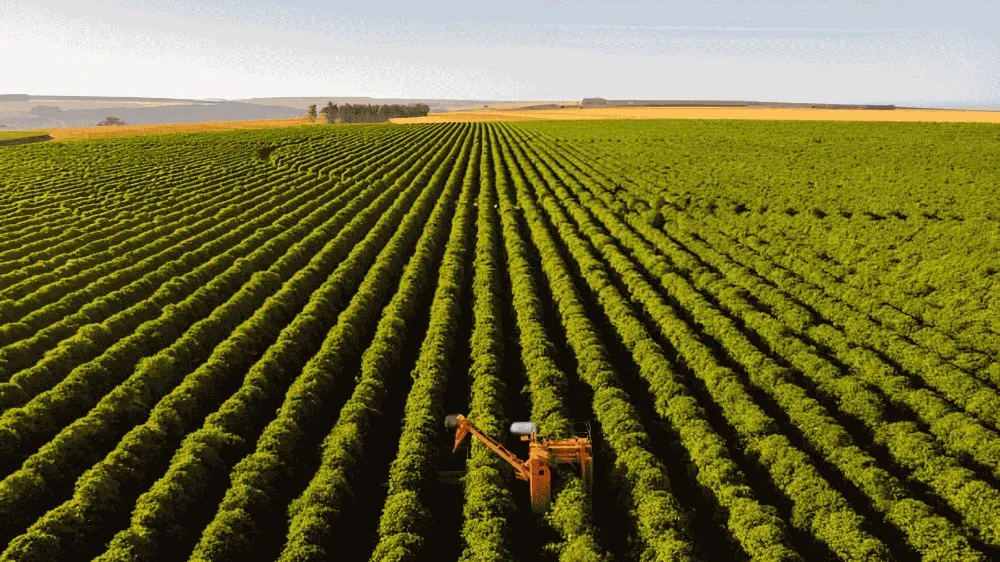
Konya is widely known for its large agricultural fields and its leading role in Türkiye’s wheat and sugar beet production. However, the province has a much more diverse agricultural landscape, with several local crops grown in different districts that remain relatively unfamiliar to consumers across the country.
From the black carrots of Ereğli to the white cherries grown in the same district, these products reflect the agricultural diversity of Konya and the growing importance of local varieties.
One of the region’s distinctive products is Ereğli Black Carrot, a locally grown vegetable known for its deep purple colour. In addition to its use in food production, black carrots are valued for their natural pigments and are used in the production of traditional fermented drinks. The product received geographical indication registration in 2017.
Ereğli is also home to White Cherries, a less common variety that differs from the red cherries widely found in markets. Registered as a geographical indication in 2019, Ereğli White Cherry is among the district’s distinctive agricultural products.
Another local crop worth highlighting is Derbent Beans. Grown in the Derbent district, these beans are part of the area’s agricultural identity and received geographical indication registration in 2021. The district is among the places where local bean varieties continue to be cultivated.
Akçabelen (Çetmi) Sugar Beans are another example of Konya’s agricultural diversity. Grown in the Akçabelen neighbourhood of the Beyşehir district, these beans have their own geographical identity and were registered in 2019.
Konya’s local agricultural products also include Ereğli Long Squash, a variety recognised for its distinctive shape. Registered in 2021, it is another example of the traditional crops cultivated in the province.
Beyond these products, Hüyük Strawberry and Çumra Melon also contribute to the region’s agricultural diversity. Both have geographical indication registration, reflecting their connection to local growing conditions and production traditions.
Together, these crops show that Konya’s agricultural identity extends well beyond its large-scale grain production. Each district contributes its own products and growing traditions, adding diversity to the province’s agricultural landscape and preserving varieties associated with local communities.