TOMB OF GÖMEÇ HATUN
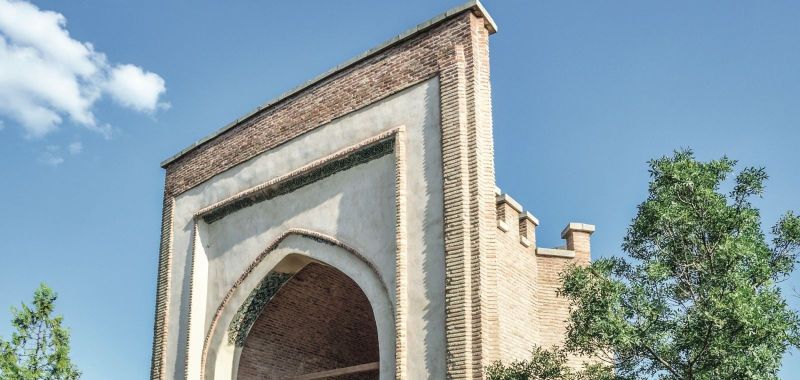
The historic documents state that Gömeç Hatun was the wife of Sultan Rukn al-Din Qilich Arslan IV, who was assassinated in 1266 by the Mongols.
The historic documents state that Gömeç Hatun was the wife of Sultan Rukn al-Din Qilich Arslan IV, who was assassinated in 1266 by the Mongols.
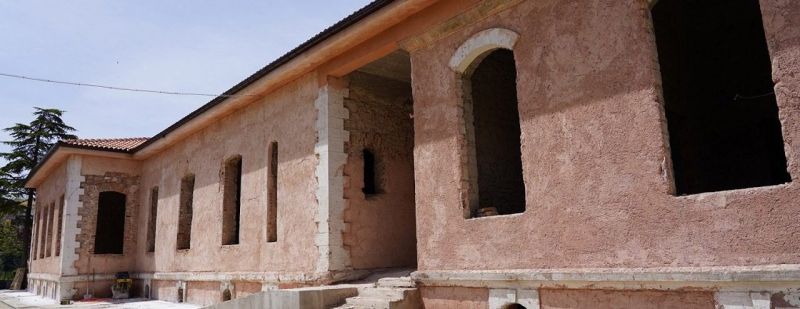
The Seljuk Municipality is restoring the Old Nurse Building, which was registered as a historical building in 2009 by the Konya Regional Board for the Protection of Cultural Heritage. The restoration aims to preserve its historical structure.
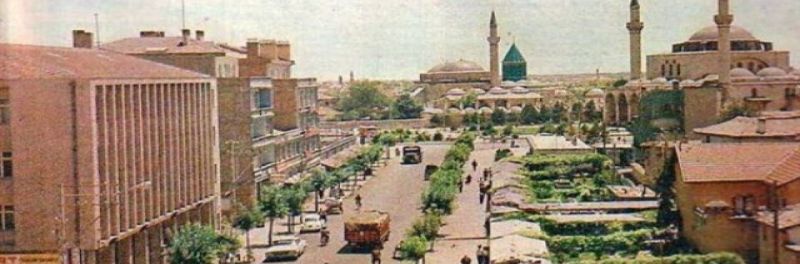
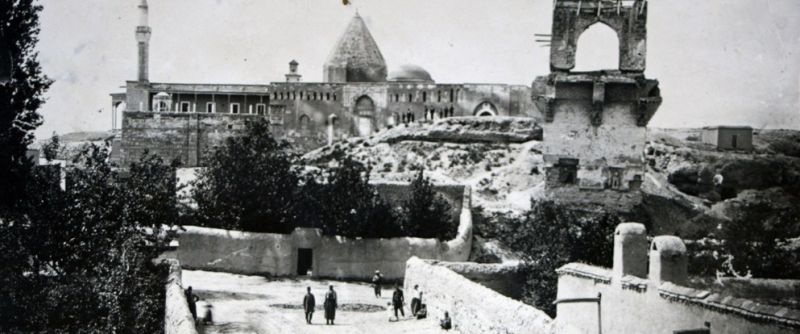
The photo of Mevlana Street in Konya from 50 years ago became a trending topic on social media.
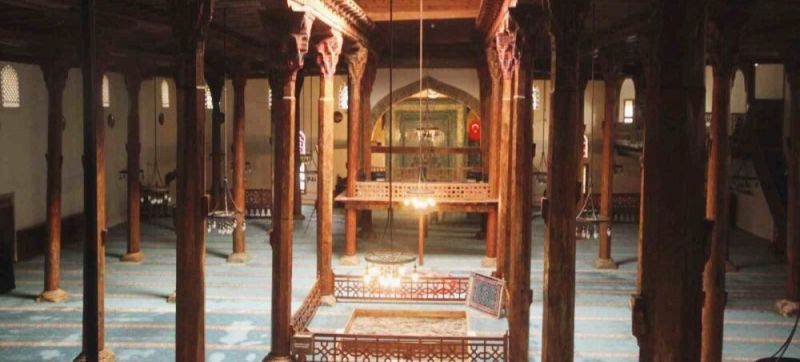
In the district of Beyşehir, there is a deep well called "karlık" located in the middle of a mosque with a history dating back 7 centuries, which is included in UNESCO's temporary list of world cultural heritage.
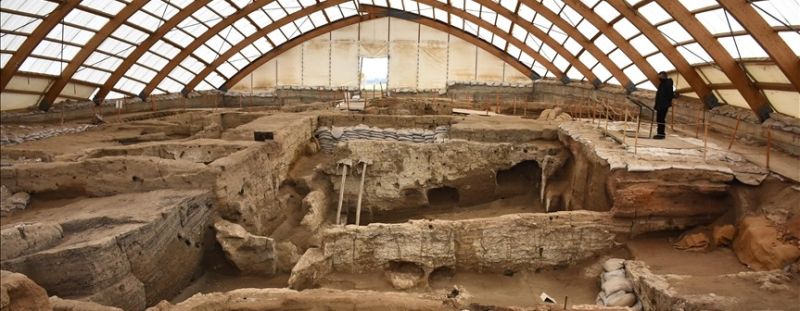
The aim is to attract more visitors to Catalhöyük, located in the Cumra district of Konya, which is one of the first urbanization models in Anatolia and the world, and is listed on the UNESCO World Heritage List, with its discovery and exhibition areas.
The Anatolian Seljuk Sultanate moved its capital to Konya on June 26, 1097, after losing Iznik during the Crusades. Konya, which quickly became one of the most developed cities in Anatolia, served as the capital for 211 years until 1308.
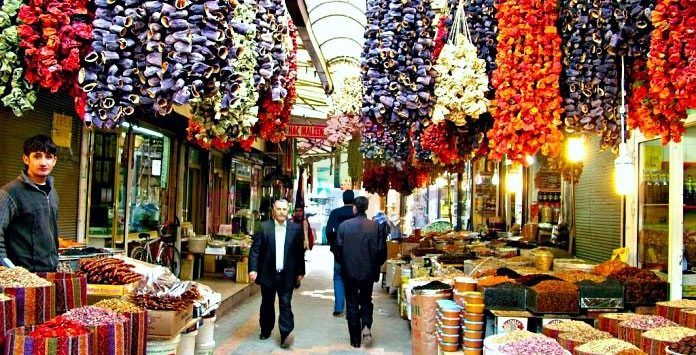
The story of the historical bazaar that stands at the forefront of everyone's knowledge in Konya, where handicraft materials for women are sold, and Konya's famous herbalists...
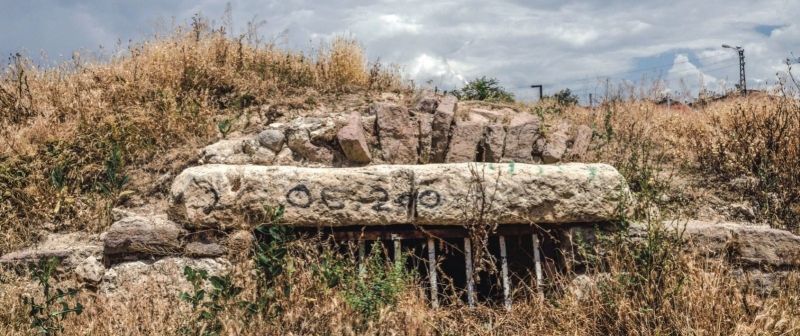
There are two ice houses in Konya, believed to have been constructed in the latter half of the thirteenth century under the supervision of Seljuk Vizier Sahib Ata Fahr al-Din Ali.
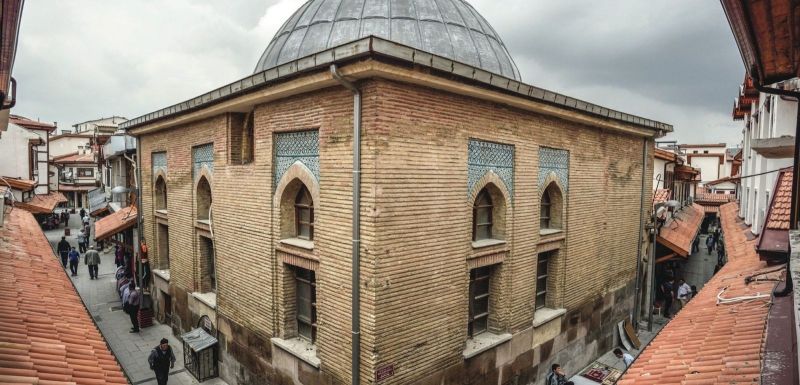
Situated in downtown Konya, the mosque is found on the street that shares its name. Originally part of a vast tekke (dervish lodge), only the mosque and a few adjacent sections have survived.
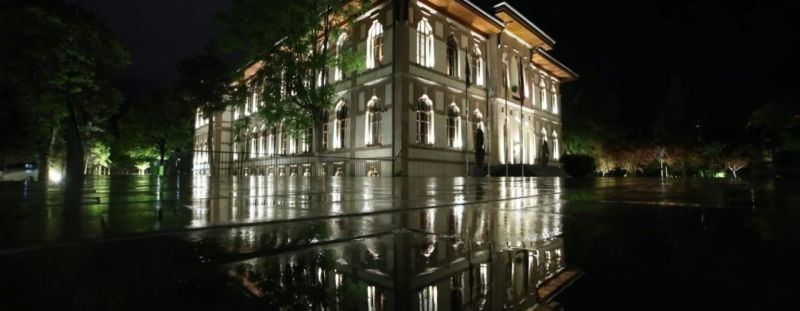
The Stone Building, Konya Digital Promotion Center, is a window into the history of Konya. It mesmerizes visitors with both its content and the architectural beauty of the building. At night, the Stone Building becomes even more stunning...
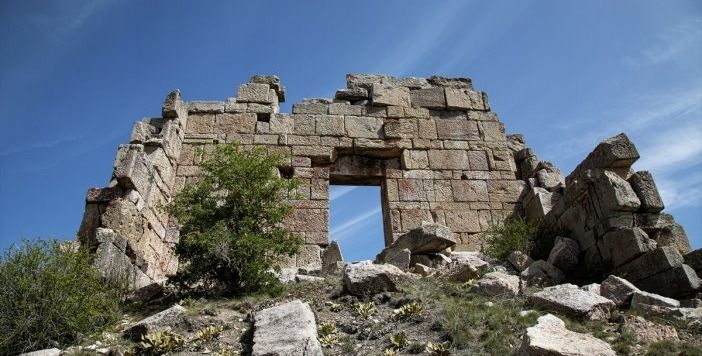
The ancient city of Isaura, located in Konya and referred to as Zengibar Castle, was one of the largest provinces of the Roman period. It captivates visitors with its walls, well-preserved towers, theater, triumphal arch, church, and rock-cut tombs.
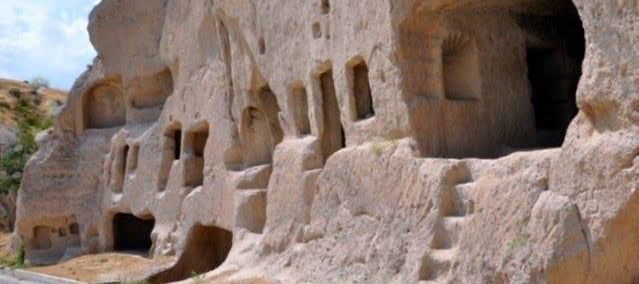
Konya has a rich collection of unique historical artifacts that date back to ancient times. One of these remarkable pieces is the Ak Monastery, which was built during the Byzantine period. Numerous pieces of information can be found about this monastery.