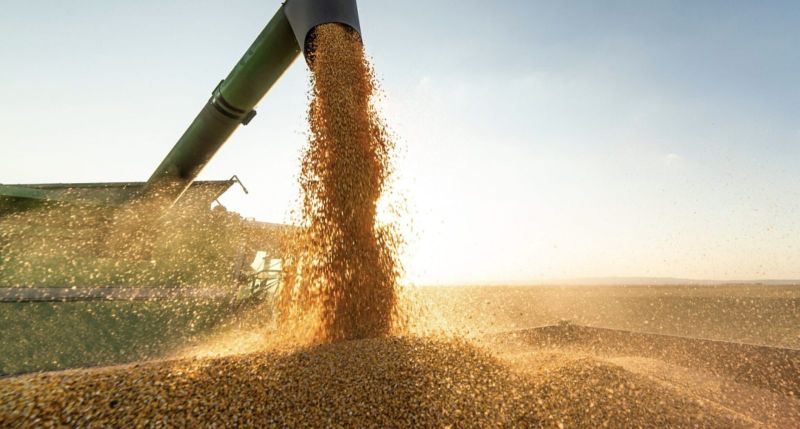
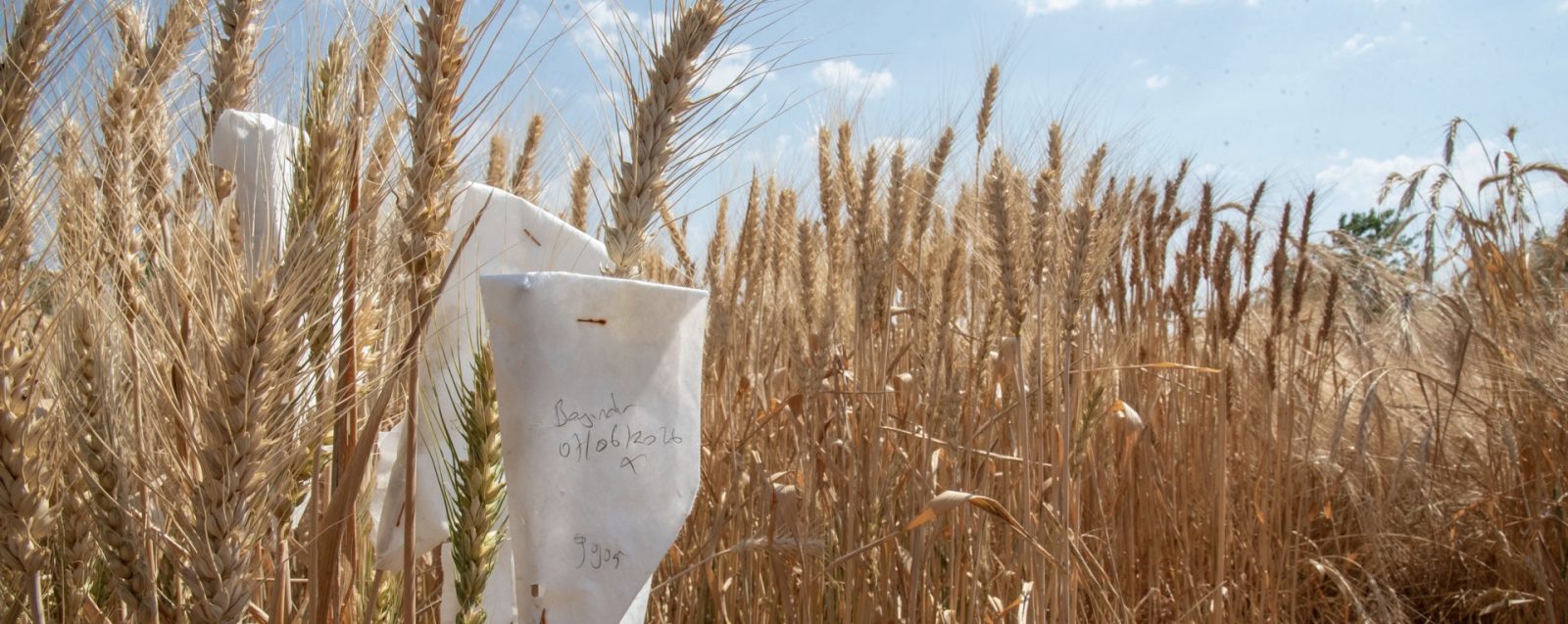
A research project led by Associate Professor Hayati Akman of Selçuk University’s Sarayönü Vocational School is scientifically examining Polish wheat, an ancient variety known for its drought tolerance and high nutritional potential. The project aims to investigate both its agricultural performance and health-related properties while contributing to the preservation of local genetic resources.
Supported by TÜBİTAK under its 1002 research program, Akman and his team are studying two ancient wheat species that have been cultivated in Anatolia for centuries. The project, titled Investigation of SDS-PAGE-Related Technological Quality, Morphological and Bioactive Properties of Polish Wheat (Triticum polonicum) and Khorasan Wheat (Triticum turanicum) Genotypes, evaluates the agricultural, technological, and nutritional characteristics of Polish wheat—locally known as Turna Gagası and Turda Dili—along with Khorasan wheat.
The research examines crop yield, root system development, and drought tolerance while also assessing the varieties’ suitability for pasta and bulgur production. In addition, scientists are analyzing their antioxidant, phenolic, and flavonoid contents. By identifying their genetic characteristics, the project also seeks to provide valuable scientific data for the development of future wheat varieties.
As part of the study, Associate Professor Yaşar Karaduman from the Department of Food Engineering at Eskişehir Osmangazi University is evaluating the technological qualities of the wheat, particularly its suitability for traditional bulgur production and pasta-making. Meanwhile, Professor Gökhan Zengin from the Department of Biology at Selçuk University’s Faculty of Science is analyzing the varieties’ high antioxidant capacity in laboratory conditions to better understand the functional role these local genotypes can play in human nutrition.
Project coordinator Associate Professor Hayati Akman emphasized that local wheat varieties are not only a legacy of the past but also an important resource for the future of agriculture.
“These local varieties can be cultivated under irrigated conditions, but they also have strong potential to grow in drought-prone and marginal lands. Their lower fertilizer requirements make them an important alternative for sustainable agriculture at a time when the effects of climate change are becoming increasingly evident. They are part of our genetic heritage, having adapted to Anatolia’s climate and soils over centuries. Our goal is to scientifically document these valuable genetic resources—whose grain weight is nearly twice that of modern wheat varieties—and make use of them in future breeding programs while also highlighting their health-promoting properties. With their drought tolerance, high fiber content, and functional compounds, we believe they will play an important role in the sustainable agriculture of the future,” Akman said.