Review of Kitchen History
Desserts and sherbets had such an important place in Seljuk cuisine that whenever the sultans held a feast, dessert was always served after the meal.
Desserts and sherbets had such an important place in Seljuk cuisine that whenever the sultans held a feast, dessert was always served after the meal.
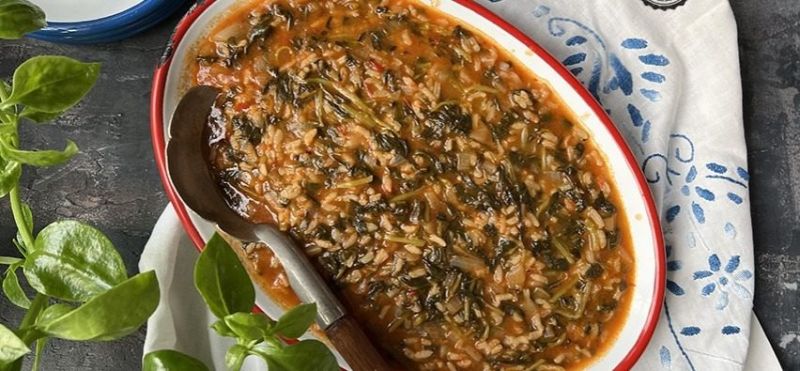
Purslane is a nutritious and delicious ingredient used in many cuisines around the world, including Konya. There isn't a widely known specific dish featuring purslane in Konya, but purslane is a common ingredient used in soups and stews.
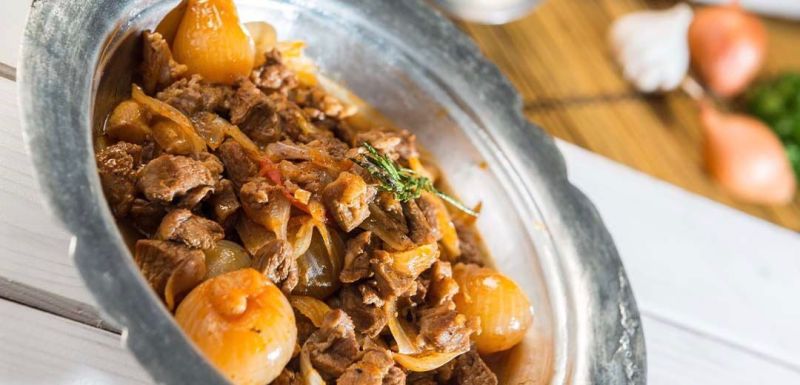
Zülbiye is a dish made with plenty of shallots, chickpeas, and abundant lamb meat. It is also flavored with vinegar. Zülbiye has been a popular dish in Konya for many years.
Squash with Eggs is a simple yet flavorful dish popular in Konya and other parts of Turkey. It's a great option for a quick and easy meal.
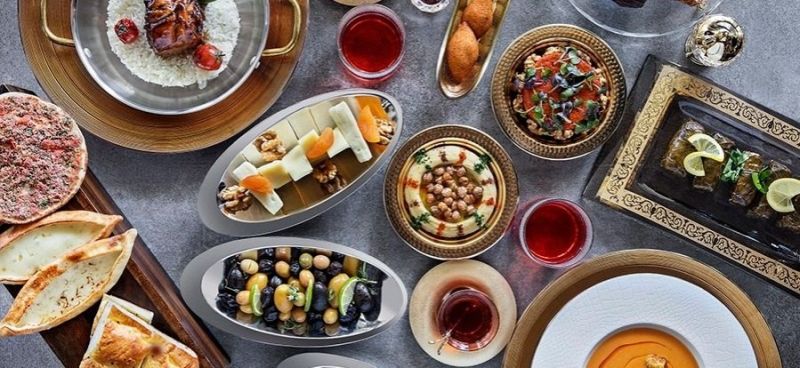
The city of Konya is the place where the best examples of Seljuk cuisine and iftar traditions are experienced. As with all other values, there has been almost no change in the cuisine and Ramadan culture, despite centuries.
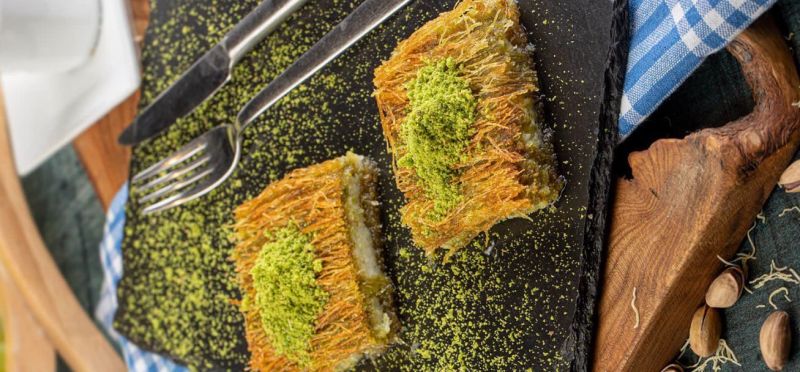
There is a high demand for Angel‘s Hair Dessert prepared in copper trays using traditional methods in Konya during the Ramadan month.
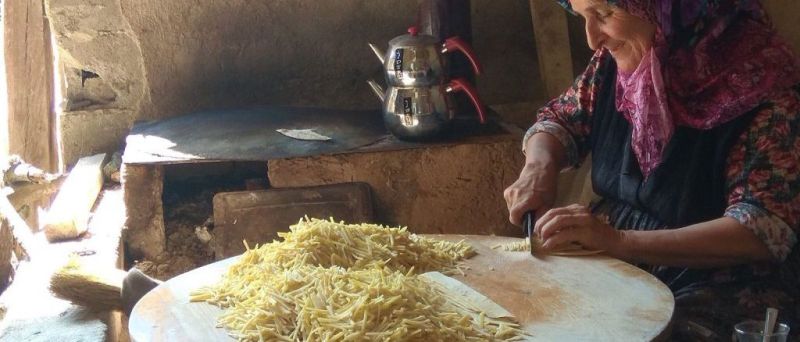
With the month of Ramadan, women in Konya begin to bake home-made fettuccine. This meal, which has become a traditional delicacy at iftar and sahur tables, is prepared by women by cutting them one by one with their hands.
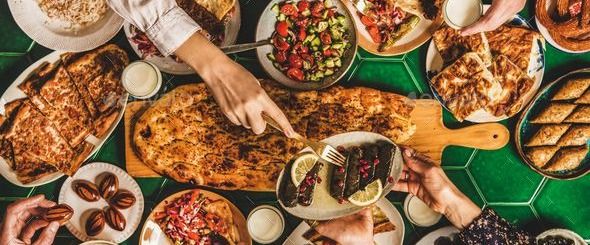
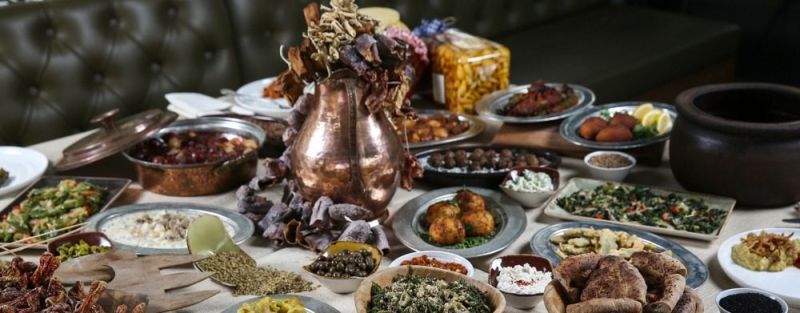
Nevin Halıcı, an expert in Turkish cuisine, expressed that Ramadan dinner tables have extra importance in Konya and they consist of two parts.
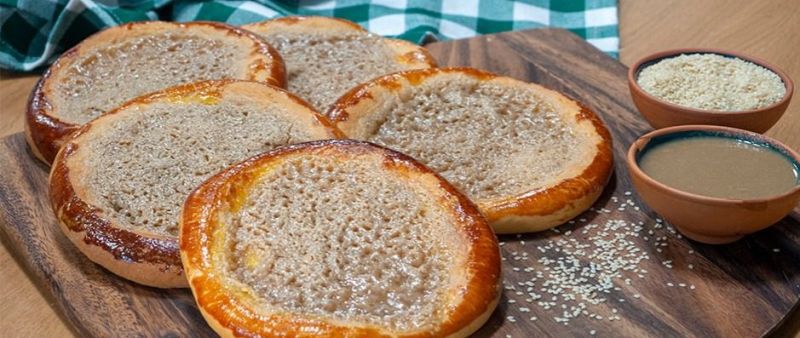
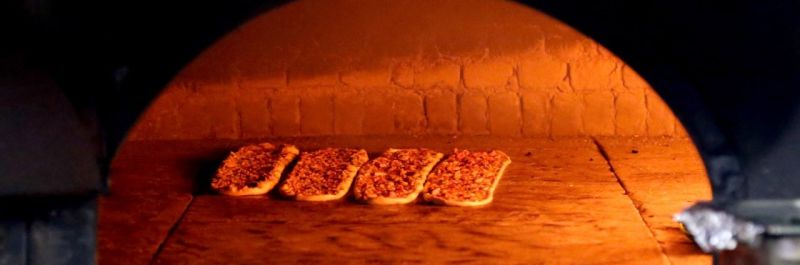
Tahini pita, which is special in the Konya cuisine, attracts great attention during Ramadan. Fatih Yemenici, who has been making tahini pita for 50 years said that “We receive high demand both from Konya and from outside the province.
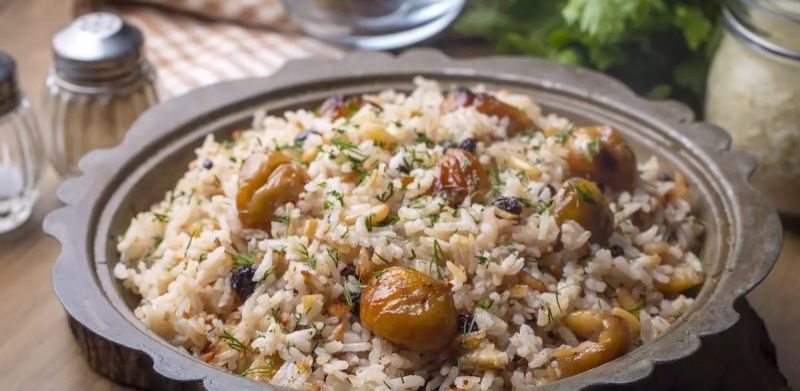
Bulgur Pilaf with Chestnut, one of the Mevlevi dishes, is an important meal in Konya cuisine.
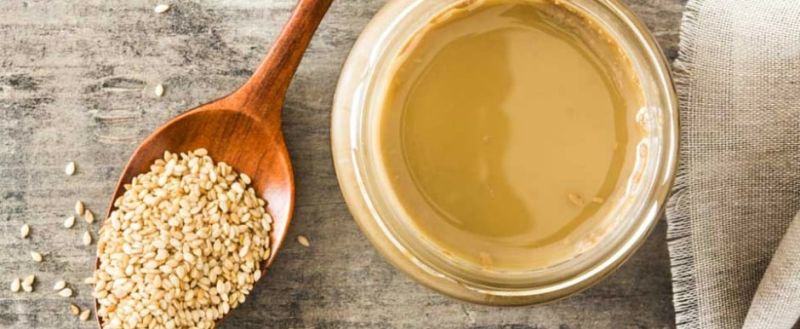
The sesame seeds ground in the stone mills in the Bozkır district of Konya are being transformed into tahini and taking their place on the tables.
Ancient flavors of Konya, which date back to nearly a century, are being registered as geographic indications by the applications of institutions and organizations.